Home Energy

Showing posts with label Best Way to Save Home Energy. Show all posts

Sunday, 18 January 2015

Save Home Energy Information - What to Do to Save Energy

The effect of the constant increase in electricity bills leads people to find ways to save energy. For some, turning the lights off before sleeping is one way of minimizing electric consumption. While there are also some who minimize their use of electrical appliances in order to reduce their energy consumption. These methods are also good, but, they are not really that effective or do not really maximize energy saving. There are many ways to save energy and minimize your electricity bills even without having to sacrifice comfort. To give you a better idea, here's a few save home energy information that you might want to consider.
Although turning off the lights can save you energy, it doesn't stop the lights from consuming energy as well as it also leads to you living in a dark place. This problem can be solved by changing all incandescent bulbs and using compact fluorescent lamp (CFL) bulbs instead. Aside from being energy efficient, CFL bulbs also produce brighter light as compared with what incandescent bulbs can produce. Doing this method can help you save energy without having to sacrifice comfort. The minimal use of electrical appliances and turning them off after using is also a good idea. But, to maximize your energy saving process, unplug them after turning them off because they still continue to consume energy when left unplugged. Also, try to buy energy efficient appliances. There many of these appliances these days that is being manufactured and sold in the market. They may be quite expensive, but in the long run, they can really help you save a lot of energy as well as lessen your electricity expenses.
Water leaks and water consumption are also one of the things that you can learn when reading about save home energy information. As you know, water and energy are related to each other. One of the largest sources of energy around the world comes from hydro power plants. This means that if there is a shortage in water, there may also be a shortage in energy. With this theory, there's a need for us to also conserve water in order to save energy. This is one of the most common things being overlooked by people when it comes to saving energy. Often, they would think that saving energy is just all about saving electricity consumption. This situation only shows the lack of knowledge when it comes to save home energy information.
With thorough research, you can surely find a lot of save home energy information that you can apply in order to save energy and lessen your electric expenses. What were mentioned previously are just a few save home energy information that you might want to keep in mind and try to apply. To learn more about save home energy information, try searching the internet. For sure, you will be able to find a lot out there.

Article Source: http://EzineArticles.com/4432475

Sunday, 11 January 2015

Why Your Home Needs a Home Energy Audit

This heating season, you probably want to save money on your energy use. This is especially true during this winter's cold snap that has affected much of the country as far south as Miami and Houston. But that might not be the only reason. You might find that your home's HVAC system is always running hard but can't adequately heat your home. Or some rooms in your house seem cooler or hotter than others. Maybe you noticed a mold or mildew problem in a room other than your bathroom. Perhaps your water heater can't keep up with demand. You can fix these problems by starting with a home energy audit.

How does a home energy audit work?

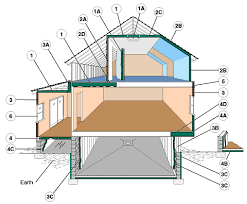
An energy audit looks at several specific features of your home. First, it lists the characteristics of your home's thermal envelope: walls, ceilings, floors, doors, windows, and skylights. Each of these features has a specific R-value, which is a measurement of the resistance to heat flow. The higher the resistance (or R-value), the better the insulative quality. Another factor is the leakage rate or how much outside air infiltrates into your home. Drafty doors and windows are the primary culprits here, however, other features of your home's construction, age, orientation to the sun, and physical condition will have an effect. A third area to look at is your home's mechanical system - the heating/ventilation/air conditioning (HVAC) as well as the heating water.

Energy Star provides a Home Energy Yardstick website so you can compare your household's energy use to the rest of the country. The site is a good place to start and gives some basic recommendations about making home energy efficiency improvements.

Generally, performing your own energy audit will help you discover most of the major energy usage problems in your house. For example, locating and sealing air leaks will help you save money and make your home more comfortable. An easy way is to wet your hand and then feel for drafts around:

* Electrical outlets
* Switch plates
* Window frames
* Baseboards
* Weather stripping around doors
* Fireplace dampers
* Attic hatches
* Wall or window-mounted air conditioners.

Look and feel for gaps where pipes and wires enter a wall. Also check where your floor meets the foundation. And don't forget mail slots. Check to see if caulking and weather stripping are applied properly and in good condition.

Every house and lifestyle, is different. It's safe to say that climate and location are primary factors in how your home performs. The other major factor is how you use energy in your home. When combined with information about local weather, the home's thermostat settings, as well as energy bills for a 12 month period (24 is more accurate), an energy audit can render a more accurate picture of how your home uses energy.

Unless you already have a few years experience of belly-crawling the dusty, cramped spaces of your home to weather-seal it, you should consider having a professional visit and perform an energy audit. Now you might think all an energy auditor does is seal a fan onto your front door and then prowl your house looking for drafts. Sure, they might perform this test, but not only do you get the benefit of their years of training and experience, you also gain from a fresh perspective.

Professionals can often see things you have overlooked that can help you save on your energy costs and be more energy efficient. For example, a slight discoloration along a corner of your living room wall might indicate an unsealed gap in your home's framing that lets in cold air and moisture. This and other hidden heat loss can also be detected with heat-sensitive cameras, a tool most homeowners don't own.

A qualified energy auditor can also give you an informed choice of options. Some fixes might just require a tube of $4.00 caulk to save you $100.00 in energy costs. Some fixes might be more expensive but can be done over time. An energy auditor can make recommendations for improvements and solutions based on what they learn about your living habits, needs, and budget. This can include efficient low-wattage lighting fixtures, getting the best insulation for your buck, as well was Energy Star rated appliances and upgrades so you can take advantage of both Federal and State rebate offers.

Remember, not only will an energy audit show you where to start saving money to heat your home this winter but it will identify cooling problems that cost you during the hot summer months. But whether or not you decide to do it yourself or consult a professional, you should do it as soon as possible so you can identify your home's problems and develop a plan of action. After all, making your home energy efficient not only saves money, energy, and natural resources, it also makes your home more comfortable and enjoyable for you and your family.

Source: http://www.artipot.com/articles/531597/why-your-home-needs-a-home-energy-audit.htm

Sunday, 12 October 2014

The Best Way to Save Home Energy Revealed

Home renewable energy is a rapidly growing interest for many home owners. When it comes to household bills and expenses, nothing ever seems to get any cheaper. The cost of natural fuel sources is increasing at an alarming rate and, not surprisingly, our gas and fuel bills at home are also on a sharp increase. These reasons largely contribute to a rapidly growing interest in people looking for alternative and cost effective ways of how to save on home energy. There are a number of very simple and relatively straightforward ways to do this that a large proportion of home owners generally overlook. Here are just 3 of the most frequently asked questions when looking for alternate ways on saving on home energy:

1) Why Should I Consider Home Renewable Energy?
This question is one which you should come to terms with before any other. First and foremost, ultimately you want to save money on your electric bill. For reasons outlined above, this is the primary goal for your reasons for saving home energy. The other benefit is that you will be doing your little bit for the environment. By burning less energy at home, you are helping to reduce the amount of harmful toxins and emissions that conventional energy producing methods generate.
2) What's The Easiest Way For Me To Save On Home Energy?
There are many small and simple steps you can follow to help save home energy that many people overlook. These are things such as turning lights off when not needed, switching to low energy lights, keeping doors closed (particularly in colder months), not leaving electrical items on standby, buying energy efficient electrical items and turning your thermostat down a degree or two. However the biggest impact you can have is to generate your own free electricity by building your own solar panels or wind turbine.
3) How Much Will Home Renewable Energy Initially Cost Me?
Most of the tips above cost nothing to implement. All you need is a small degree of discipline. You're the one who's paying for your heating and gas bills so why waste it by leaving doors and windows open when it's cold outside - but you would be surprised how many people actually do!! They are simple steps which cost you nothing.
However, to make a real impact, a small but very prudent investment may be needed. The best home renewable energy products on the market today by far are solar panels and wind turbines.
These forms of home renewable energy are being recognized more and more with home owners across the world as a viable, cost effective means of saving home energy. It is quite possible to build your own solar panels to generate home electricity for under $200 and these will provide a long term, free, sustainable and clean energy supply for your home for years to come.
If you decide to generate your own Home Renewable Energy [http://www.homediyenergy.info], you will have a satisfying and rewarding experience provided you follow instructions which have been written by the professionals.
They should be well structured, clear and organized and you should have access to help if you should need it.

Article Source: http://EzineArticles.com/2701608

Sunday, 20 July 2014

The Future of Home Energy in America

You must be observing that it looks money crisis is much more important than the energy crisis in America. But people are not taking it seriously, because they don't know if economy slowly turning around, energy consumption will increase and oil prices will once again burst out faster and more people will at last prefer to use their own home energy sources.

On the other hand it is also the fact that the annual World Energy Outlook has already given their verdict that by 2030 oil prices will stabilize at around $125 a barrel. And the increase will also be because of rising costs for equipment that the oil producers will have to face.
We also find that different the most known brands are still earning more than others, but it is becoming evident that their hold over energy is slowly decreasing. Huge new oil fields in Russia and Saudi Arabia were recently brought into the mix and these oil-rich governments have begun tipping the scale in their favor away from old fashioned big oil. It is also seen that some countries are trying to renewal their contract with their dealer who are getting more profit from the consumption of oil. There is literally trillions of dollars needed to develop new oil fields and keep oil flowing throughout the world. But it is also observed that if this profit goes into government's hand, this government will prefer to get more hold on different resources.
Most dealers like Chevron are banking on developing alternative energy sources and looking more inclined to this very idea. It is also forecast that that only 3% of the world's emissions will come from the U.S. or might be from Europe till the end of 2030. And other remaining will be from China and Middle East. More about the Greenhouse gas, it will continue to rise until global habits change, and definitely it will take some 15 years and after that the crises will be the eve of a past.

Source: http://goarticles.com/article/The-Future-of-Home-Energy-in-America/2731460/

Sunday, 18 May 2014

10 Tips To Help You Save Home Energy

Before you spend money on the latest energy-efficient gizmo that's supposed to save you money let's look at some energy saving ideas that will really help you save home energy. The strategies that we will look at maximize the effort you put in and the reduction in your home energy consumption. First sit down and think about all the different ways your family uses energy around the house. Now put an approximate type and cost of energy used. You may have trouble breaking down the cost but try to do it. Now all you have to do is find ways to save on your resources at the same time cut your costs. You may have to think creatively but it can be done. So here are some tips to get you started: 

- Turn the lights off when you're not using them. This is really simple and easy to do. Do you really need your bedroom light on when you're in the living room? Do you leave lights on when you leave the house? Do you even need more than one light on in a room for what you are doing? Believe it or not it makes a big difference.
- Turn all electronics and other appliances off when you're not using them. No one can do everything at the same time. Can you really listen to a radio watch television and use your computer all at the same time?
- Set your thermostat down a couple of degrees in winter or up in summer, to conserve energy. And dress appropriately indoors for the time of year it is. For instance in winter, put on a sweater or some extra clothing, or may snuggle under a blanket to stay warm. In the summer, wear less and stay cooler naturally.
- Only turn an appliance on when you have a full load. This is true especially for the washing machine, dryer and even the dishwasher. It is amazing how much extra energy is used doing multiple small loads in comparison to one full load.
- Do regular maintenance on your appliances. Keeping them clean means they don't have to work as hard. Changing filters again reduces the energy needed to accomplish a task. Regular care will also mean any maintenance bills that you might come up against may well be cheaper.
- Be careful how you use your water. Like when brushing your teeth or washing your hands, use only the water you need. Don't let the water run the entire time. Also, try and use less water if you take a bath, or control your shower times.
- Simply let your hair air dry, instead of using a blow drier every day.
- Lower the temperature on your water heater to 120 degrees F.
Don't forget the bigger projects as well.
- Seal the cracks around your doors and windows. You are paying for your hot air that escapes through cracks all around your house. You need to make sure you are doing all you can to keep the warm air you're paying for inside your house.
- You also need to check your house's insulation. Though this has been done by many homeowners nevertheless you still need to do it before you pass it over. It is probably the biggest thing in reducing heating costs.

Now some of these things may seem trivial to you but let me assure you that even the small things add up over time. And really most of them you won't even notice the difference to your life except your bills.
These tips and suggestions will make your home more affordable, and take some strain off of our world's resources. Just think if all of us would just made a few of these changes to how we do things on a daily basis it would make a huge difference.

Source: http://goarticles.com/article/10-Tips-To-Help-You-Save-Home-Energy/4263793/