Home Energy

Showing posts with label Home Energy Savings. Show all posts

Sunday, 28 December 2014

What is a Home Energy Check Up and How Can it Help Me?

Are you aware that you might not be using your energy efficiently? A home energy check up analyzes your energy usage in order to give you a guide on how to use your energy efficiently; thus, saving you hundreds of dollars while maintaining comfort in your home. Using the same amount of energy yet getting the lowest cost is good for your budget, but there are numerous ways in which you can lower your energy consumption and save more money on your energy bill each month.

This reduction in energy consumption is also good for the environment: the less energy human beings use, the less energy is produced, and the less energy will be put to waste unconsciously or intentionally and there are many alarming bi-products have to be dealt with. We should not just be concerned on our personal finances but also on how to lower our energy bills; we need to think of better and effective ways to reduce our energy use as well. One way of knowing how we use our energy whether efficiently or inefficiently is to conduct a home energy check up. It can save the environment and it can save you hundreds of dollars by energy saving. The fact is that the number one biggest expense in your home is your power bill. And if you are located in an area with extreme weather climates chances are your energy bill is twice as the regular household's bill in areas with "normal" climate. For example, if you live in the desert or warm areas with very hot temperatures you are forced to turn your air conditioner's thermostat to its maximum level to cool your home, in doing so your cooling energy bills can be extraordinarily high especially during summer, or if you are in extremely cold areas, your winter heating bill will be high.
However, you have the power to reduce the cost of your energy bill by making some changes. Doing a home energy check up can guide you in deciding what needs to altered or maintained. There are many things you can do to have an energy efficient home. After conducting a home energy check up you may decide whether to switch to energy efficient exteriors, change your traditional lights to energy efficient bulbs, or schedule an energy saving hour.
Your attitude towards how you use your technology also affects your energy consumption. If you have kids and they tend to forget to switch off the television set after watching or if they are used to putting the computer to sleep mode instead of turning it off after using chances are you will still have bigger energy bill cost. Educate your children and other household members about energy saving and how wasting energy can harm the environment. Help them understand how to use the switch off button.
Little steps like this can make a big difference in your finances and to the environment. It is not enough to have a home energy check up; it is just the beginning of energy saving and is well worth your time and effort.

Article Source: http://EzineArticles.com/4408835

Sunday, 23 November 2014

Selling Your Home For a Profit? Think Home Energy!

The housing market is packed full with a lot of homes right now. It's still a buyers market. The big, small, ready to move in and fixer uppers, and all within your price range as a home buyer. So how do you decide which one to choose as your next home, as a buyer? And if you are a seller, how should you make your home more attractive to potential buyers that your house is selected as the next home of the buyer, among a multitude of other options?

Of course, there are the traditional methods of leaving all the lights on, and cleaning up the site, remove clutter, reduce the furniture count, etc. But from an energy perspective, how do you really make your home more attractive? One of the bonus guides in the professional version of the Home Energy Audit Kit is the Energy Homebuyer checklist, which outlines several important areas of a house to look at in terms of energy consumption and energy loss. As a seller, your job is to ensure that all elements of this list are available for any potential buyer to see. In other words, you should use the list too!
One of the easy things you can do is to highlight the effectiveness or energy efficiency of your appliances, or equipment left at home after you move. The big ones most look for are the furnace, hot water heater and air conditioning units (central air), in addition to fridges and stoves/ovens. Everyone of these has a number of energy labels on them (at least in North America) that shows how much energy the unit uses, and compares it with the most efficient and least efficient model tested in a government laboratory.
Do not worry if the unit isn't a high efficiency (HE) unit, or if not at the top of the measurement scale. While it is important to note, what most people do not understand about these stickers is that it all depends on the buyer's usage. The new owners of this house will not use the device in the same way the seller does. So their costs are different.
Also, make it a point to respond to any energy information when asked. The most common question is "What is the average electricity bill in January? Or July?". Or perhaps they will ask for the heating bill, or natural gas bill. Here's a nifty trick. When people ask for an average or an example of the bill, tell them the budget payment, if known...and be sure to mention the payment type as being budget. A budget payment is the weighted average cost of energy in a period of usually 6-10 months. Most people understand this. It has the added advantage of the smoothing out the peaks and valleys of your usage and costs, so to speak, so you do not have to reveal your electric payment one month was $300 - because when averaged out, you only really paid $126 per month. And what sounds better than a buyer with a limited budget? An electricity bill of $ 300 or a constant, budget-friendly cost of $ 126?
Do not volunteer this information unless asked directly, or if there are appliances that can be a concern for potential buyers. For example, most people are very wary of old furnaces and air conditioners, but what almost no one notices is the insulation is more important than a new HE (high efficiency) oven, furnace, or unit in most cases. However, buyers can not be sold on this house, because the oven, furnace or other appliance is old. You may be able to ease their minds by telling them that budget heat or natural gas payment is average, and give them the budget amount.
There are, of course, many many many more areas of opportunity to help sell your home for more and actually make a profit for yourself. I recommend you check the Energy homebuyer checklist as part of the Professional Home Energy Audit Kit for more tips and of course, follow them!

Article Source: http://EzineArticles.com/3705944

Sunday, 16 November 2014

How to Make Your Home Energy Efficient and Get OFF THE GRID!

Tips to Make Your Home Energy Efficient
With the financial situation that the world is facing these days many people are trying to find a way to save, save, save. By making your home energy efficient it will save you money in the long run. Your monthly electricity and gas bill will be decreased if you make your home energy efficient. Insulation is a key to maintain the comfort of your house inside. If you have the right insulation put into your home you will see your power bills drop. There are places in your home that should be insulated that you may not have thought of such as floors, ceilings, basement walls, overhangs, and the walls inside. Wherever air is leaking into your home it is making your power bill increase. So you need to be sure that all cracks and crevices are sealed tight. You can help make your home energy efficient by replacing your lighting fixtures with energy efficient models. You should make use of your dimmer switches also because this saves energy and money. Open up your blinds and curtains and let the natural light shine in this is how you can save the most on your bill and it is the best way to conserve energy.
When you are using your home appliances you are using a lot of energy. The best way to save energy here is to shop for new appliances that have the energy star. The cost of these products may be higher then normal but they are worth the extra money in the long run.

Also - TV's use a hell of a lot of energy so why not turn them off during an evening and go out and enjoy yourself - take your family out, experience the great out doors! Sounds cheesy I know but it works! Install some solar panels - this will make your home energy efficient. Energy is created with these using natural resources. Solar panels can come in the form of a solar thermal collectors that help the suns energy heat water. What a great way to use the suns natural energy and to make your home energy efficient. Install a wind turbine or build your own wind farm in your back garden! Wind Mills can produce a lot of what is essentially - FREE - energy from a renewable source that is the wind!

The best way to make your home completely energy efficient is to get off the grid by making your own own energy producing devices. Build your own Wind Turbines, Solar Panels and convert your home to Green Power. Not only is it cheaper to build your own rather than buy them but it is also very rewarding! Once you've built your own windmills and solar panels you could be producing more energy than you can consume so in which case you could start selling your "Homemade Energy" back to the grid! This will offset the initial price of building your own wind turbines and solar panels and give you some extra cash to spend on cooler things! Green Power Easy is a Brand New DIY Green Energy Course with Step By Step Videos which teaches you how to:

Build Your Own Solar Panels
Build Your Own Wind Turbine
Completely Convert Your Home to Green Energy
Live off the grid with the "Free" alternative energy you produce
Start your own green-power business.
Save Our Planet and Your Money!

Article Source: http://EzineArticles.com/3082954

Sunday, 14 September 2014

10 Do it Yourself Steps to Home Energy Savings

With the current slump in the economy, it seems that everyone is looking to save money and cut expenses wherever they can. A potential savings that's overlooked by a lot of people is home energy conservation. While there has been a lot of talk of renewable and alternative energy sources, there are several, easy "do it yourself" projects that can add up to big savings on your energy bills. I've put together a list of 10 that only scratches the surface of ways to cut back on consumption.


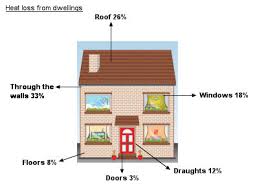
1. Add and Improve Insulation- Insulation may be the single most important element of energy efficiency. It is critical that you have sufficient coverage in the key areas, which include: walls, ceilings, floors, and attics. The most obvious place to start is the attic and ceiling, which in many cases are are the same. Unless your home is extremely old (more than 50 years), chances are, there is some amount of insulation in the attic or ceiling. Adding more will only help to block the heat or the cold from spreading to the living spaces inside the home. Adding additional insulation to the attic is a, fairly, easy job if it is accessible. The most common type to add will be fiberglass batts, which come in various lengths, widths, and thicknesses. The width and thickness are made to accommodate various wall and ceiling cavity sizes between studs, rafters, and ceiling joists.
However, when adding insulation in an attic, this, most likely, won't be a factor, since you'll be laying it over the existing. The other option is blown insulation, which is a loose material that is by use of a blower. While this provides good coverage, it is a messier and more complicated process. But if you're up for the challenge, you can buy the insulation and rent the blower in some hardware and home improvement stores. Insulating walls in existing homes is a little more challenging due to the fact that the wall cavity has been covered up with drywall or other wall coverings. The expense and work associated with opening up the wall is probably not worth it unless you have an older home with no wall insulation. There is one option that I used on garage that we were converting into a bedroom. At the top of the wall, near the ceiling, we cut holes roughly 6"x6" between each of the studs in the exterior walls and blew in the insulation. We then repaired the drywall in the small spots rather than replacing it on the entire wall. If your home is built above the ground with a crawl space or if you're in a mobile home, it's important to be sure that the floor is properly insulated. This will not be an easy job because it will involve either removing the flooring to work from above or crawling on your back from below. Both of these options involve a lot of work, but if the floor is not properly insulated, heating and cooling the home will be extremely difficult.

2. Attic Ventilation- Proper attic ventilation is critical to efficiently heating or cooling your home. When hot, cold, or moist air remains trapped above the ceiling it will travel into the home below even if the ceiling has been insulated. Ventilating the attic can be accomplished several ways and the better the ventilation, the better and easier the air comfort below. The most common methods are soffit, ridge and turbine vents. Even if you're not familiar with the terms, chances are, you've seen these before. Soffit vents are found in the eves around the perimeter of the house and may be small louver type or continuous with a screen. Soffit vents usually work in conjunction with roof turbines and gable vents to move a flow of air through the attic space, thus, bringing the temperature up or down with the outside air. Ridge vents are long plastic vents that are put in place of the decking running along the ridge at the peak of the roof. If you want even better ventilation, you can install roof or gable mounted vent fans, which are controlled by a thermostat that automatically turns the fan on or off at set temperature levels in the same manner as a central HVAC system. The cans can be electrically wired or solar powered with the cost of the fan itself running between $70 and $500.

3. Install Radiant Barrier- The installation of radiant barriers has become an increasingly popular method of reducing energy consumption. The process involves installing a reflective material on the under side of the roof that will then reflect the majority of the sun's radiant heat. There are several different products available. The most common and effective being a foil strips that can be attached to the bottom side of the roof either between of over the rafters. If you are building a new home or replacing an existing roof, there is plywood decking that comes with the foil already attached to one side. There are several types and manufacturers of the foil to fit different applications and budgets. I recommend doing some research before buying. There are also radiant coatings and paints that can be brushed, rolled, or sprayed on and, while the consensus is that the paints don't offer as much benefit as the foil, it will help and the installation process may be easier.

4. Manage Power to Electronics- While the modern home electronics available today offer great convenience and entertainment value, they are some of the biggest users of electricity. Managing the power to computers, televisions, and gaming systems can reduce your energy costs more than you might think. Computers are some of the biggest power hogs. Adjusting the settings to send it to sleep mode or turning it off when you're not using it will help, but it will still use a small amount of power. Unplugging the machine altogether or using a timer to completely shut off the power will make a huge difference. Plasma and LCD TV's as well as gaming systems burn lots of electricity, spending a little more for models with the "Energy Star" rating will pay for itself. In addition, have a talk with the family about turning everything off when it's not in use. I know, in my house, it's not uncommon to have 3 or 4 TV's on at once while everyone is outside.

5. Using Energy Efficient Lighting- The use of compact fluorescent light bulbs has become very popular in the last few years and only use 30% to 40% of the power of incandescent bulbs. They are available in a variety of sizes and strengths and are also now available in dimmable bulbs. I replaced 95% of the bulbs in my house with these and saw about a 30% decrease in consumption immediately. While the price is significantly higher than incandescent, they should last 7 to 10 times longer and will quickly pay for themselves in energy bill savings. You can find much better prices by buying in bulk online. If you are replacing light fixtures or ceiling fans, there are a variety of energy efficient products to choose from.

6. Replacement Windows- Your home's windows can make a huge difference in the amount of energy that is needed to heat or cool the home. Replacing existing windows with new energy efficient models may provide a huge savings. However, it can also be extremely expensive. I recommend a good deal of research and shopping because prices vary greatly. It's also important to weigh the cost of the windows against the potential savings to see how long it would take them to pay for themselves. Building codes, for the past few years have mandated the use of double insulated windows. So, if your home was built within the last 10 years, there's a good possibility you have insulated windows. Another more cost effective method of shielding the home from outside temperatures is tinting the glass or using window coverings such as heavier draperies, shades, or shutters.

7. Weather Stripping and Sealants- This is pretty basic, but often neglected. Cracks around windows, doors, and other wall penetrations are a constant source of energy loss. Caulking or sealing cracks around windows and doors will do wonders for keeping outside air from entering the home. It's also important to be sure that all exterior doors are properly weather stripped. If the weather stripping has become loose or defective, there are a variety of replacement products available at hardware and home improvement stores. One of the most crucial places to check are access doors to attics and basements.

8. More Efficient Water Heating- Heating water is one of the biggest energy expenses in any home. For bathing, washing clothes, dishes, and sometimes swimming pools, we are almost constantly heating water. There are several measures that can be taken to reduce this cost. An easy and inexpensive method is to further insulate the tank and pipes where the enter and leave the tank. Lowering the temperature setting on the heaters thermostat, will reduce the workload while still providing comfortable water temperature. If you live in warm climate states, installing a solar powered water heater may be an option and there are installation instructions available on the internet. On demand or tankless water heaters are available in electric or gas models and will provide a saving on energy costs. However, with addition circuits or gas lines needed, the installation cost may out weigh the savings.

9. Proper Maintenance of the Heating and Cooling System- Insuring that your home's heating and cooling system is operating at peak efficiency can make a big difference in how hard and how much your system has to work. Regular cleaning and maintenance will also save you money by extending the life of your system. A couple of things you can do as a homeowner are to regularly change the filters and clean the coils and materials for this can be found in hardware, home improvement, and even grocery stores. I would also recommend having a professional technician clean and inspect the system at least once a year.

10. Government Grants and Tax Credits- With the nationwide emphasis on energy conservation, the federal government, as well as many state and local governments, have established grant programs or tax credits for making energy efficient improvements to homes and businesses. If you qualify, this could amount to hundreds or thousands of dollars in addition the the savings in energy costs. Check with the department of energy or agencies in your state to see what is available.

Article Source: http://EzineArticles.com/2465040

Sunday, 31 August 2014

Top Ten Ways We Save Energy at Home

Hydropower - This type of alternative home energy makes use of water currents in order to turn turbines to run generators. Once again, this is not really a new technology. Like windmills, waterwheels were often used to harness the power of a nearby river in order to grind grain into flour.

Biogas - This is another alternative home energy source. Biogas is produced naturally via the decomposition of different biological material. By using biogas instead of the common LPG, home owners can cut back on their heating bills.

As you can see, there are a lot of different types of alternative home energy. What you need to do is explore these options and discover which type is the best for you to use. You have also been informed as to how we have used these energy sources in the past and how they are being used today.

Unfortunately, some of the methods of harnessing these different alternative home energy types may yet seem impractical to the common homeowner. However, as technology continues to evolve, you can be sure that the use of alternative energy will be more efficient.

By using alternative home energy, you accomplish two things: you save on your expenses and you help create a better world. You see, alternative home energy sources do not produce any harmful effects to the environment. By using these sources, you harness relatively free energy. Some people may say that the devices used to harness these sources may be too expensive, but in the long run, you"ll end up saving so much more than you spend.


Source: http://www.youtube.com/watch?v=-pGuO2rSdm0

Sunday, 17 August 2014

Solar Panels for Free Home Energy

Solar panels are the answer to all the problems that the world is facing with depleting natural resources. Solar panels can provide renewable energy from the sun. Let's face the concept here. Our oil resources are disappearing. Trees are being cut down in crushing volumes. They don't grow back overnight. It is important to the health of our planet that we find - and use - alternative means to produce the energy that we require to live out our daily lives. Solar panels are part of many possibilities. Solar panels systems have become increasingly popular in the last couple of years.

Solar panels can be installed on the roof of a house. They can even be built into the roof as new houses are being constructed. The right solar panels can provide the energy that is required to fully run your home. You will have access to the same amenities that you use now on electricity. The only crucial difference is that your energy is coming from sunlight.

Most people that make the decision to purchase solar panel systems only convert half of the energy that their household uses. Basically, they are starting out with 50% green power and 50% electricity. The main reason for this is that many people do not have the financial means to invest in a complete solar panel system. In addition, many consumers do not know that the government offers help. The government can reward the citizens who make the conversion from electricity to green power. You can get tax breaks, and in some cases you can even get money directly from the government.

Source: http://goarticles.com/article/Solar-Panels-for-Free-Home-Energy/1347407/

Sunday, 18 May 2014

10 Tips To Help You Save Home Energy

Before you spend money on the latest energy-efficient gizmo that's supposed to save you money let's look at some energy saving ideas that will really help you save home energy. The strategies that we will look at maximize the effort you put in and the reduction in your home energy consumption. First sit down and think about all the different ways your family uses energy around the house. Now put an approximate type and cost of energy used. You may have trouble breaking down the cost but try to do it. Now all you have to do is find ways to save on your resources at the same time cut your costs. You may have to think creatively but it can be done. So here are some tips to get you started: 

- Turn the lights off when you're not using them. This is really simple and easy to do. Do you really need your bedroom light on when you're in the living room? Do you leave lights on when you leave the house? Do you even need more than one light on in a room for what you are doing? Believe it or not it makes a big difference.
- Turn all electronics and other appliances off when you're not using them. No one can do everything at the same time. Can you really listen to a radio watch television and use your computer all at the same time?
- Set your thermostat down a couple of degrees in winter or up in summer, to conserve energy. And dress appropriately indoors for the time of year it is. For instance in winter, put on a sweater or some extra clothing, or may snuggle under a blanket to stay warm. In the summer, wear less and stay cooler naturally.
- Only turn an appliance on when you have a full load. This is true especially for the washing machine, dryer and even the dishwasher. It is amazing how much extra energy is used doing multiple small loads in comparison to one full load.
- Do regular maintenance on your appliances. Keeping them clean means they don't have to work as hard. Changing filters again reduces the energy needed to accomplish a task. Regular care will also mean any maintenance bills that you might come up against may well be cheaper.
- Be careful how you use your water. Like when brushing your teeth or washing your hands, use only the water you need. Don't let the water run the entire time. Also, try and use less water if you take a bath, or control your shower times.
- Simply let your hair air dry, instead of using a blow drier every day.
- Lower the temperature on your water heater to 120 degrees F.
Don't forget the bigger projects as well.
- Seal the cracks around your doors and windows. You are paying for your hot air that escapes through cracks all around your house. You need to make sure you are doing all you can to keep the warm air you're paying for inside your house.
- You also need to check your house's insulation. Though this has been done by many homeowners nevertheless you still need to do it before you pass it over. It is probably the biggest thing in reducing heating costs.

Now some of these things may seem trivial to you but let me assure you that even the small things add up over time. And really most of them you won't even notice the difference to your life except your bills.
These tips and suggestions will make your home more affordable, and take some strain off of our world's resources. Just think if all of us would just made a few of these changes to how we do things on a daily basis it would make a huge difference.

Source: http://goarticles.com/article/10-Tips-To-Help-You-Save-Home-Energy/4263793/

Sunday, 16 March 2014

Solar Home Energy For Homeowners

Have you ever considered installing your own solar home energy system ? The sun has always been a source of heat and light energy. Now with the advancement of technology, the sun's power can be used to create other forms of usable energy.

With the world moving towards a deepening energy crisis, it is important that we reduce our dependency on non-renewable sources. Three types of energy solutions fall into the category of renewable energy: solar energy, hydro energy and wind energy. For the homeowner a solar home energy system probably is the best choice. Hydro energy is not really a viable option plus there are some concerns about using this energy because it is believed to adversely affect the water-borne flora and fauna. Wind energy would be a viable alternative depending on the physical setting but there is concern that power generating windmills could be unsightly if not mounted in a discreet location and this may not always be possible. Although in the correct situation wind power could be a workable solution and could also be used in tandem with a solar home energy system.

With a solar home energy system the solar panels can be placed in a relatively obscure location thus not becoming aesthetically displeasing plus with the advent of continued development it is now possible for the construction of the required components and the installation to be carried out by the home handyman. There are a number of instructional publications now available authored by expert professionals who have spent much of their working life studying and implementing solar power solutions. The publications give detailed step by step instructions on obtaining the materials, constructing the solar panels and then the subsequent installation as well as the legalities.

A correctly installed solar home energy system can cost as little as $ 200 for a homeowner to manufacture and install and with the potential savings nearing close to 80% of a normal household electricity bill it is not hard to see why a solar home energy system is fast becoming a popular home addition. In some situations over production can lead the homeowner into a position of being able to sell his surplus solar power back to the electric company thus making a profit on the overall situation.

The sun's energy is the most abundant energy available on earth and by employing this free source a homeowner not only reduces his consumption of "manufactured" electricity but also contributes to a greener world.

A solar home energy system has many advantages apart from being cost-effective and environment-friendly. They are low on maintenance thus saving time and effort. Also, solar home energy systems give you a return on investment very soon, thus making the systems free after just a few weeks or as illustrated above a profit could be experienced if over production occurs, indeed it would be best to bear in mind this situation when designing the system to ensure an over production. If space allowed the installation of extra solar panels then this would provide an ideal income source.

Source: http://www.artipot.com/articles/321598/solar-home-energy-for-homeowners.htm