Home Energy

Showing posts with label Home energy. Show all posts

Sunday, 28 December 2014

What is a Home Energy Check Up and How Can it Help Me?

Are you aware that you might not be using your energy efficiently? A home energy check up analyzes your energy usage in order to give you a guide on how to use your energy efficiently; thus, saving you hundreds of dollars while maintaining comfort in your home. Using the same amount of energy yet getting the lowest cost is good for your budget, but there are numerous ways in which you can lower your energy consumption and save more money on your energy bill each month.

This reduction in energy consumption is also good for the environment: the less energy human beings use, the less energy is produced, and the less energy will be put to waste unconsciously or intentionally and there are many alarming bi-products have to be dealt with. We should not just be concerned on our personal finances but also on how to lower our energy bills; we need to think of better and effective ways to reduce our energy use as well. One way of knowing how we use our energy whether efficiently or inefficiently is to conduct a home energy check up. It can save the environment and it can save you hundreds of dollars by energy saving. The fact is that the number one biggest expense in your home is your power bill. And if you are located in an area with extreme weather climates chances are your energy bill is twice as the regular household's bill in areas with "normal" climate. For example, if you live in the desert or warm areas with very hot temperatures you are forced to turn your air conditioner's thermostat to its maximum level to cool your home, in doing so your cooling energy bills can be extraordinarily high especially during summer, or if you are in extremely cold areas, your winter heating bill will be high.
However, you have the power to reduce the cost of your energy bill by making some changes. Doing a home energy check up can guide you in deciding what needs to altered or maintained. There are many things you can do to have an energy efficient home. After conducting a home energy check up you may decide whether to switch to energy efficient exteriors, change your traditional lights to energy efficient bulbs, or schedule an energy saving hour.
Your attitude towards how you use your technology also affects your energy consumption. If you have kids and they tend to forget to switch off the television set after watching or if they are used to putting the computer to sleep mode instead of turning it off after using chances are you will still have bigger energy bill cost. Educate your children and other household members about energy saving and how wasting energy can harm the environment. Help them understand how to use the switch off button.
Little steps like this can make a big difference in your finances and to the environment. It is not enough to have a home energy check up; it is just the beginning of energy saving and is well worth your time and effort.

Article Source: http://EzineArticles.com/4408835

Sunday, 7 December 2014

Benefits of a Home Energy Audit

With the right home energy auditor, there are many benefits of getting a home energy audit. Complete home energy audits can save your money on home energy bills, increase your homes comfort, improve your homes resale value and marketability, help you to take advantage of government incentive, and help the environment.

Save money on your home energy bills

If your home's energy bills are through the roof, then a home energy audit would be a major benefit for you. Your energy bills can be affected by many things. From small spaces around your windows and doors that aren't keeping in your conditioned air, to a large water heater that is using more energy than it needs to. A complete home energy audit will pinpoint the exact ways you can lower your home energy bills.

Not only will a home energy audit identify where you can save money, it will also prioritize the issues so you know which changes would make the most difference for you.

Increase your home's comfort

A key problem that many home energy auditors find in homes is air sealing. When a home energy auditor identifies air sealing as a problem, and fixes the problem, you will literally feel the difference in your home. The changes in your home will be night-and-day, there will no longer be cold drafts in the winter or hot bursts in the summer which will not only make you feel more comfortable, it will also save you money.

Improve your homes resale value and marketability

Another benefit of a comprehensive home energy audit is that it will increase the resale value and marketability of your home. According to a study published in the Appraisal Journal, every $1 decrease in annual energy costs increases the market value of a home by $20. So, you are not only saving money annually, but also making sure that you make money when it comes time to sell your home.

Homeowners that implement suggestions from a home energy audit also increase the perspective buyers' chance of buying their home. Home buyers will be pleased to hear that you have made changes to decrease energy bills and keep the house more comfortable.

Take advantage of government incentives

Recently the government has offered incentives to make energy efficient changes to your home. By receiving a home energy audit you are eligible to take advantage of the government's rebates and tax incentives.

Help the environment

Lastly, a complete home energy audit helps the environment. When you implement the improvements recommended by energy experts you use less energy, therefore reducing the amount of greenhouse gasses and pollution created. When your home isn't expelling as much energy to heat or cool it, to run appliances, or to light your home, you're saving money and helping the environment. 
 
Source: http://www.artipot.com/articles/1113228/benefits-of-a-home-energy-audit.htm

Sunday, 28 September 2014

Revamp Your Home With Marvelous Renovation Styles

Home improvement, remodeling are some of the many terms used for renovations done in home. Building stylish and high end homes have become a trend and spurted the growth of several home furnishing brands. Making additions to one’s home without the knowledge of interior decoration or designing is not a very good idea. Thus, several designers have now emerged to provide solutions to people who wish to have a classy home. Currently this industry is a booming sector and is poised to grow further in the coming years as the preferences of people gets more refined. 

What is Home renovation all about?
Home renovation process usually involves altering the structure or construction of existing home that covers lawns, garages, gardens and other outdoor structures. The renovation for improvement projects might also involve electrical work, maintenance and other general servicing tasks. The primary goal of all the above activities is to increase the comfort, create space if required and revamp the entire look. It might also include ensuring safety and saving energy to reduce utility costs. Home improvements can be done by hiring of general contractors, specialized contractors or you can do it yourself with DIY home improvement kits.

Home Renovation Industry
Since homeowners have grown more conscious about improving the appearance of their home, home improvement industry has undergone a huge revolution. Several designing firms are now bringing fresh home renovation ideas to the table. Some companies have also gone online to dive into this new emerging market. Several professional associations offer services to homeowners in the form of experienced architects, home decorators and also educate them about the varied trade guidelines. These days there are thousands of magazines, TV channels and consultancy firms who offer varied ideas for home renovation.

Current Trends of Home Renovation
Home renovation ideas can be categorized for kitchen, bathroom and rooms. Kitchen happens to be the heart of a home and you should carefully choose slip-resistant surface materials such as granite and laminate that last for years. A kitchen should have bright lighting, should be placed such that places like the island and the cook top are well lit for safety. Opt for stylish cabinets out of veneer or wood with glossy finish where you can hide away the containers& utensils.

Create color contrasts with cabinetry and wall paint it’ll prove to be a visual treat. Pullout wardrobes and wall ovens are great additions. Bathroom remodeling is pretty easy with a few tricks and tips. For bathrooms you have to play it cool with bright colors on the walls or floor tiles. Experiment with textures and patterns on curtain fabrics. Incorporate stylish metallic fixtures that match your bathtub. Use large mirrors that reflect a lot of light. Outdated floors can be covered up under a new bath mat. Living rooms and bedrooms can be tastefully designed with various themes such as cottage look, traditional, vintage and contemporary. Utilizing every nook and cranny is the best trick. Hang chandeliers in living rooms to draw attention to the ceiling. A small fireplace can be decorated with showpieces and artworks. Seating arrangements for small rooms can be limited to few chairs and a coffee table. Large living rooms can have three seated sofas and wing chairs. Upholsteries and window treatments should match your furniture style and wall paint to create a uniform effect.

Source: http://goarticles.com/article/Revamp-Your-Home-With-Marvelous-Renovation-Styles/8266612/

Sunday, 14 September 2014

10 Do it Yourself Steps to Home Energy Savings

With the current slump in the economy, it seems that everyone is looking to save money and cut expenses wherever they can. A potential savings that's overlooked by a lot of people is home energy conservation. While there has been a lot of talk of renewable and alternative energy sources, there are several, easy "do it yourself" projects that can add up to big savings on your energy bills. I've put together a list of 10 that only scratches the surface of ways to cut back on consumption.


1. Add and Improve Insulation- Insulation may be the single most important element of energy efficiency. It is critical that you have sufficient coverage in the key areas, which include: walls, ceilings, floors, and attics. The most obvious place to start is the attic and ceiling, which in many cases are are the same. Unless your home is extremely old (more than 50 years), chances are, there is some amount of insulation in the attic or ceiling. Adding more will only help to block the heat or the cold from spreading to the living spaces inside the home. Adding additional insulation to the attic is a, fairly, easy job if it is accessible. The most common type to add will be fiberglass batts, which come in various lengths, widths, and thicknesses. The width and thickness are made to accommodate various wall and ceiling cavity sizes between studs, rafters, and ceiling joists.
However, when adding insulation in an attic, this, most likely, won't be a factor, since you'll be laying it over the existing. The other option is blown insulation, which is a loose material that is by use of a blower. While this provides good coverage, it is a messier and more complicated process. But if you're up for the challenge, you can buy the insulation and rent the blower in some hardware and home improvement stores. Insulating walls in existing homes is a little more challenging due to the fact that the wall cavity has been covered up with drywall or other wall coverings. The expense and work associated with opening up the wall is probably not worth it unless you have an older home with no wall insulation. There is one option that I used on garage that we were converting into a bedroom. At the top of the wall, near the ceiling, we cut holes roughly 6"x6" between each of the studs in the exterior walls and blew in the insulation. We then repaired the drywall in the small spots rather than replacing it on the entire wall. If your home is built above the ground with a crawl space or if you're in a mobile home, it's important to be sure that the floor is properly insulated. This will not be an easy job because it will involve either removing the flooring to work from above or crawling on your back from below. Both of these options involve a lot of work, but if the floor is not properly insulated, heating and cooling the home will be extremely difficult.

2. Attic Ventilation- Proper attic ventilation is critical to efficiently heating or cooling your home. When hot, cold, or moist air remains trapped above the ceiling it will travel into the home below even if the ceiling has been insulated. Ventilating the attic can be accomplished several ways and the better the ventilation, the better and easier the air comfort below. The most common methods are soffit, ridge and turbine vents. Even if you're not familiar with the terms, chances are, you've seen these before. Soffit vents are found in the eves around the perimeter of the house and may be small louver type or continuous with a screen. Soffit vents usually work in conjunction with roof turbines and gable vents to move a flow of air through the attic space, thus, bringing the temperature up or down with the outside air. Ridge vents are long plastic vents that are put in place of the decking running along the ridge at the peak of the roof. If you want even better ventilation, you can install roof or gable mounted vent fans, which are controlled by a thermostat that automatically turns the fan on or off at set temperature levels in the same manner as a central HVAC system. The cans can be electrically wired or solar powered with the cost of the fan itself running between $70 and $500.

3. Install Radiant Barrier- The installation of radiant barriers has become an increasingly popular method of reducing energy consumption. The process involves installing a reflective material on the under side of the roof that will then reflect the majority of the sun's radiant heat. There are several different products available. The most common and effective being a foil strips that can be attached to the bottom side of the roof either between of over the rafters. If you are building a new home or replacing an existing roof, there is plywood decking that comes with the foil already attached to one side. There are several types and manufacturers of the foil to fit different applications and budgets. I recommend doing some research before buying. There are also radiant coatings and paints that can be brushed, rolled, or sprayed on and, while the consensus is that the paints don't offer as much benefit as the foil, it will help and the installation process may be easier.

4. Manage Power to Electronics- While the modern home electronics available today offer great convenience and entertainment value, they are some of the biggest users of electricity. Managing the power to computers, televisions, and gaming systems can reduce your energy costs more than you might think. Computers are some of the biggest power hogs. Adjusting the settings to send it to sleep mode or turning it off when you're not using it will help, but it will still use a small amount of power. Unplugging the machine altogether or using a timer to completely shut off the power will make a huge difference. Plasma and LCD TV's as well as gaming systems burn lots of electricity, spending a little more for models with the "Energy Star" rating will pay for itself. In addition, have a talk with the family about turning everything off when it's not in use. I know, in my house, it's not uncommon to have 3 or 4 TV's on at once while everyone is outside.

5. Using Energy Efficient Lighting- The use of compact fluorescent light bulbs has become very popular in the last few years and only use 30% to 40% of the power of incandescent bulbs. They are available in a variety of sizes and strengths and are also now available in dimmable bulbs. I replaced 95% of the bulbs in my house with these and saw about a 30% decrease in consumption immediately. While the price is significantly higher than incandescent, they should last 7 to 10 times longer and will quickly pay for themselves in energy bill savings. You can find much better prices by buying in bulk online. If you are replacing light fixtures or ceiling fans, there are a variety of energy efficient products to choose from.

6. Replacement Windows- Your home's windows can make a huge difference in the amount of energy that is needed to heat or cool the home. Replacing existing windows with new energy efficient models may provide a huge savings. However, it can also be extremely expensive. I recommend a good deal of research and shopping because prices vary greatly. It's also important to weigh the cost of the windows against the potential savings to see how long it would take them to pay for themselves. Building codes, for the past few years have mandated the use of double insulated windows. So, if your home was built within the last 10 years, there's a good possibility you have insulated windows. Another more cost effective method of shielding the home from outside temperatures is tinting the glass or using window coverings such as heavier draperies, shades, or shutters.

7. Weather Stripping and Sealants- This is pretty basic, but often neglected. Cracks around windows, doors, and other wall penetrations are a constant source of energy loss. Caulking or sealing cracks around windows and doors will do wonders for keeping outside air from entering the home. It's also important to be sure that all exterior doors are properly weather stripped. If the weather stripping has become loose or defective, there are a variety of replacement products available at hardware and home improvement stores. One of the most crucial places to check are access doors to attics and basements.

8. More Efficient Water Heating- Heating water is one of the biggest energy expenses in any home. For bathing, washing clothes, dishes, and sometimes swimming pools, we are almost constantly heating water. There are several measures that can be taken to reduce this cost. An easy and inexpensive method is to further insulate the tank and pipes where the enter and leave the tank. Lowering the temperature setting on the heaters thermostat, will reduce the workload while still providing comfortable water temperature. If you live in warm climate states, installing a solar powered water heater may be an option and there are installation instructions available on the internet. On demand or tankless water heaters are available in electric or gas models and will provide a saving on energy costs. However, with addition circuits or gas lines needed, the installation cost may out weigh the savings.

9. Proper Maintenance of the Heating and Cooling System- Insuring that your home's heating and cooling system is operating at peak efficiency can make a big difference in how hard and how much your system has to work. Regular cleaning and maintenance will also save you money by extending the life of your system. A couple of things you can do as a homeowner are to regularly change the filters and clean the coils and materials for this can be found in hardware, home improvement, and even grocery stores. I would also recommend having a professional technician clean and inspect the system at least once a year.

10. Government Grants and Tax Credits- With the nationwide emphasis on energy conservation, the federal government, as well as many state and local governments, have established grant programs or tax credits for making energy efficient improvements to homes and businesses. If you qualify, this could amount to hundreds or thousands of dollars in addition the the savings in energy costs. Check with the department of energy or agencies in your state to see what is available.

Article Source: http://EzineArticles.com/2465040

Sunday, 6 April 2014

The Top Seven Questions About Energy Conservation With Home Energy Audits

Expert Author Dan DavenportEnergy efficiency, energy savings, and money saving get a lot easier with a simple home energy audit walk through of your home or apartment. Every single home, even energy efficient homes, lose energy. But with the insight gained from a detailed energy audit, you can create energy savings and turn your home into an energy saving home by limiting your home's energy loss and using energy wisely.
Here are the top seven frequently asked questions and answers about home energy audits and how they can help you save energy -- and save money.
1. What is a Home Energy Audit?
A "green homes" energy audit is a simple process of walking through your home, room by room, paying careful attention, and writing down how you use energy in that room, plus possible places where you home uses... and loses... energy. You can "do it yourself," or hire a professional. The energy audit professional typically looks at heat loss with specialized thermal imaging equipment and other techniques that "visualize" heat loss and energy gaps. But the "do it yourselfer," however, can very easily take note of energy usage and energy loss in each room. And when you add up the numbers, you'll see exactly where you can save on energy. Computer spreadsheets are a valuable tool for the do it yourself home energy auditor to save and compare your findings on a room by room and year by year basis.
2. How Long Does it Take to Do an Energy Audit?
The first time you do a home energy audit, it will take several hours at least, and you may decide to spread it over a few days - depending on your home's size and how much you have in it. As you do your "energy walk" through your home for the first time, you will find many areas of energy usage you hadn't thought of before. Future energy saving audits will take a little less time - because you're already aware of these "hidden" areas. Also, as you fix the energy leaks in each room, those will no longer need your attention, saving time. Fixing any problems you find, of course, may take a bit longer.
3. How Often Should I Do an Energy Audit?
At least once each year, though I would definitely recommend energy audits more often. The best times to do home energy audits are: spring, before you see the jump in your energy bills for the high energy air conditioning season, and fall before you see the jump in your energy bills for the heating season.
4. How Much Can I Save on my Energy Audit if I "Do It Myself?"
The amount varies by home and location. By doing an energy audit yourself, you'll probably save several hundred dollars because you're not paying someone to conduct the audit. This is on top of the potential 15% - 40% savings in energy costs that many people realize when actually finding and reducing energy usage. The nice thing about doing it yourself is that you become intimately familiar with all the energy consumers and energy losers in your home, and can set your own agenda to fix it.
5. What's the Best Room to Start In?
It doesn't matter, as you will do them all. I prefer to start in the basement. There is a lot going on in the basement that gets my mind thinking about energy saving! Ducts, vents, registers, furnace, washer, dryer, lights, hot water heater, sump pump, etc. All these items have an energy related cost to them. If you don't have a basement or prefer to start elsewhere, go for the kitchen. Ultimately, you will want to do your energy audit in every room to maximize your potential energy savings.
6. What's the Best Way to Test for Drafts Around Windows?
A simple strip of single ply tissue taped to the end of a pencil, or flame from a candle (please be careful!). These will quickly show you any air movement, which is what you're looking for. It's best to do your testing on a breezy day, because more air will leak on those days so you can see it more easily. You can also close all the windows in the home and set a couple of fans blowing out in a couple of open windows and turning on any exhaust fans to help draw air into the house through the leaks and cracks and make them easy to spot with your tissue tool or candle.
7. How Do I Record the Results of My Audit?
On a simple piece of paper! Label it with the date and room so you can easily compare notes between rooms, and between successive audits conducted at later dates. (So it's best to use one sheet for each room!) Here is where home computers come in especially handy. Record your data for each room in a spreadsheet program and the computer can "do the math" for you. And then you have an easy way to compare results, notes, and numbers from energy audit to energy audit.

Source: http://ezinearticles.com/?The-Top-Seven-Questions-About-Energy-Conservation-With-Home-Energy-Audits&id=6296820

Sunday, 23 February 2014

How to Conduct a Home Energy Audit For Energy Efficiency

Almost a quarter of the total energy used in the U.S. is consumed right in our homes, so energy efficiency should be a vital part of our lives. On average, heating and cooling uses about 40 percent of a home's total energy, while lights and heating water use another 20 percent, and large household appliances consume around another 15 percent of the total. That's a lot of energy going into our homes, and with ongoing concerns about energy shortages and the environment, along with rising energy prices, anything that can help ensure our homes are more energy-efficient is definitely worth considering. But where does a homeowner start?

A home energy audit is what can help you figure out how energy-efficient your home is. Home energy audits can determine how efficiently your home is using energy right now, pin point problem areas you may not even be aware of, and perhaps more importantly, help you prioritize ways to improve your home's overall energy efficiency.

How Does One Go About a Home Energy Audit?
There are a number of ways to conduct an energy audit of your home, ranging from hiring trained and qualified professionals to simple, easy-to-use online assessment tools.

Hiring a Professional
A professional home energy audit will go into much greater detail than a quick online assessment. Since you are hiring trained professionals who will be using specialized equipment, the final report will obviously be much more comprehensive. Make sure you devote the time and budget to this if you are having it done professionally.

o  A professional audit will usually begin with an interview during which you will be asked a number of questions regarding how you and your family live (how many people in the home, are all the rooms used, average temperature settings in winter and summer, etc.), as well as a comprehensive look at your utility bills going back for at least a year.
o  Next would be a thorough examination of your home from the outside (noting things such as the amount of wall area versus the number of windows, their size, shape and make-up, plus their orientation (which way they are facing), and the position of your home on its lot.
o  The final step in a professional home energy audit would be a room-by-room inspection of your home using specialized equipment, such as infrared cameras, furnace efficiency meters, surface thermometers and blower doors to help determine areas where energy could be lost.
o  The outcome of all this effort will be a detailed report highlighting how efficiently your home is using energy right now, as well as a providing a list of changes you could implement to improve your home's energy utilization.
Finding a Home Energy Auditor
o  You may be able to get recommendations from your state or local government energy office, or your electric or gas utility.
o  Check your telephone directory by looking under Energy for companies that perform home energy audits.
o  Consult the , and find professional home energy auditors in your state.
Conducting Your Own Home Energy Audit
If you have time and you are willing to put in the effort, you can do your own basic home energy audit in about half a day. Essentially, doing your own home energy audit involves determining if your home has adequate insulation, as well as looking for areas where there may be air leaks or infiltration that would force your home to use extra energy. Here is how to conduct your own simple energy audit.
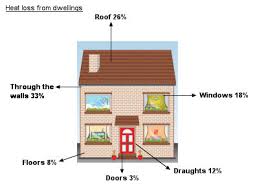
o  Start by measuring the insulation in your attic. Since up to 50 percent of a home's energy loss is through the roof, adequate insulation in imperative. The Department of Energy recommends that if you have less than R-30 insulation in your attic (R-30 equals 11 inches of fiberglass or eight inches of blown cellulose), you should add more.
o  Air moving in and out of your home will add a lot to your heating and cooling bills, so walk around the inside of your home, and look for any air leaks. A burning incense stick or even a tissue balanced on a pencil will act as a good indicator of moving air. Simply move it around window frames and door edges, and see if there is air movement. If you see any leaks, you have found gaps that need to be filled with caulking or weather stripping.
o   Check heating and cooling ducts to be sure there are not any gaps that will allow air to escape, forcing your furnace or air conditioner to work harder to heat or cool your home.
o  Also while outside, look at areas where two types of building material come together (window frame and siding for example) to see if there are any openings on the outside that need to be blocked. Also check where pipes and cables come through the walls to be sure there are no openings.

Visit the ENERGY STAR website. Sign in, answer some basic questions about your home, such as how many people live there, how big it is, the type of heating system you have, and the amount of your energy bills for the past year. After you submit your information, you will receive a report outlining how your home compares to others across the country, as well as some suggestions about how you could improve your home's energy efficiency.

Source: http://ezinearticles.com/?How-to-Conduct-a-Home-Energy-Audit-For-Energy-Efficiency&id=3098209

Sunday, 16 February 2014

Home Energy Savings: New House Design and Energy Conservation

Consumers in North America are getting ready for the 2005 / 2006 winter season as we write this report and most are bracing themselves for larger energy bills during the coming winter heating season than past years. Recent spikes in energy costs for all types of energy including gasoline, heating oil, electricity and natural gas are causing many consumers to begin thinking about how they heat their homes and whether they can save money. In our discussion we will use the term "energy" to refer to all of the previous forms of fuel that is used in our homes. Energy conservation begins with the design and construction of a new home and carries through to your daily living habits. Consumers who have the most success in terms of reducing their energy bills have made energy conservation a way of life, while enjoying their new homes in comfort. Many homeowners have the potential to reduce their heating bills by as much as 50% or more. They can achieve these savings with a logical, well planned approach beginning with the design of the home, proper construction techniques, well insulated windows, doors, and walls and then follow through with daily, monthly and annual operational techniques. Consumers who have designed and insulated their home with energy conservation in mind will be able to maximize their savings if they make energy conservation part of their every day life. The common objectives of living in a comfortable home and managing your energy consumption can easily be met by following a few simple rules.

Systems Approach to Energy Savings
Our homes are really a complex environment that must be managed to ensure that we live comfortably, have sufficient fresh air, while controlling our energy consumption at the same time. Essentially, a well planned home will take into account the amount of energy intake from energy sources such as our heating system as well as solar heating vs. energy loss from the effects of cold weather, heat loss through windows, doors, walls and floors as well as heat reduction when we use air conditioning systems in hot climates. In the winter we are concerned about the cost of heating our homes and the loss of heat to the outside through leakage of cold air into our homes. The summer brings the reverse when we must cool our homes and manage the cooling during hot summer days. In both cases solar heat plays a part in the equation as well as how well sealed our homes are. Consumers living in colder climates will be more concerned about winter heating costs while consumers living in southern areas of the continent will worry about the cost of air conditioning. Taking a systems approach to managing your energy costs is one way to ensure that you maximize your savings and make a positive contribution to the environment through reduced energy usage. Energy conservation and home design begins with the orientation of your home to maximize the heating of your home by natural solar heating in colder climates and avoiding solar heating in hot climates. Next, consumers can take advantage of natural shade or by adding trees to provide shade during hot summer days and also act as wind breaks to reduce the impact of the cooling effects that the wind can have on the amount of energy they use. Once you have considered these elements, consumers should use the latest techniques in designing their homes with high insulation values in the walls, energy efficient heating and cooling systems as well as energy efficient appliances. For example your air conditioning unit should be energy efficient and placed were it will be in the shade as much as possible to maximize its efficiency. Selection of fluorescent lighting, taking advantage of natural lighting are additional elements to be considered in the design of your new home. Visit our home energy checklist for more details on steps you can take to reduce your energy costs at the design stage of your home. Consumers may also want to invest in an energy audit of their homes design before agreeing to the final design. A relatively low cost audit can sometimes save thousands of dollars in energy costs over the life of their home.

Our Home Energy Checklist
We have assembled a home energy checklist with both the new home buyer / builder in mind as well as items to check after you have moved in. Our objective is to assist you in saving energy, which means money in your pocket during the design as well as after you have moved into your new home. Saving energy can be divided into four areas: Home Design; Appliance & Lighting Selection, Energy Conservation - A Way of Life. This total systems and life style approach is really geared to maximizing your energy savings. You might have the most efficient energy saving home built, however if you move in and leave all of the lights on all the time, leave the windows open when you are heating the house or cooling, your energy saving initiatives will not be as affective as you might have thought. With this in mind our energy savings checklist applies to the design phase as well as after you have moved into your new home. Even consumers who have been in their homes for a few years will find this checklist useful for managing their energy consumption.

Designing New Homes and Energy Conservation
Most home designers and architects are up to date on energy conservation techniques, however they are also geared to meeting their customers needs and priorities for their home designs. Many consumers will consider home energy management almost as an after thought when it is too late to incorporate energy savings concepts into their new home design. As you and your home designer or architect discuss your plans and your objectives for your new home, always emphasize that energy management and home comfort are a very important element of the final design that your are looking for. Designing a new home actually begins with site selection and orientation of your home on the property. Depending on the climate consumers will want to orient their homes on the property to manage the amount of solar heating that the house will be exposed to. A common theme throughout this report is to orient your home so that the sun can heat the home naturally in the winter, while minimizing the effects of solar heating during hot summer days. Adding trees or shrubs to provide shade and taking advantage of natural land formations to provide shelter from prevailing winds is the first step in managing your energy costs. Construction of the foundation for homes varies a great deal across the continent. In some locales a below grade basement is mandatory, while in other locations a concrete slab is standard. In both situations, insulation is a key component to maintain comfortable living conditions while reducing your energy costs. Insulation can be added below the slab of concrete and all basement walls should be properly sealed and insulated to at least R20 levels. All exposed hot water pipes can be insulated as well in addition. Walls should be insulated to at least R20, while attics should have insulation to a level of R40. Floors over crawl spaces will be warmer and you will lose less energy if the floors are also insulated. Many customers will select wall to wall carpeting for additional insulation and warmth, however if you prefer ceramic, marble or hardwood floors, area rugs can be used as decoration as well as providing a warm surface to walk on. Ceiling fans are another inexpensive way to distribute naturally heated air. Consumers can select windows and doors that are energy rated with triple pane windows and insulated steel doors. Adding a storm door to the outside increases the level of insulating and energy savings that you can achieve. During the winter consumers will enjoy the warmth of the suns ray's through the windows, while summer months the windows can be covered to reduce the heating affects of the sun. Selection of window coverings, while meeting aesthetic requirements can also support energy saving concepts as well. The selection of lighting fixtures with fluorescent lighting and also taking into account natural lighting can reduce your lighting costs significantly. Incorporate timers, motion detectors, photo cells at appropriate locations in your home to assist in managing your lighting needs as well as energy usage. Bathroom design as well as all areas were water is used should incorporate flow restrictors to minimize the use of cold and hot water. Everyone loves to have a fireplace in their home. A fireplace can generate a huge loss of energy if not managed properly and designed with energy conservation in mind. Natural wood burning fireplaces have the lowest efficiency, while sealed gas fireplaces can be very efficient, while still providing the ambiance that many consumers are looking for. The selection and use of your appliances can have a significant impact on your energy costs. Old appliances may be energy guzzlers, while new appliances should be chosen based on their energy ratings. Selecting a high efficiency furnace, air conditioner and water heater is a first step. Consider purchasing new appliances instead of moving your appliances from your last home. Electronic ignition of gas appliances, taking advantage of shade for your air conditioner and using a digital thermostat that allows timed control of your homes interior temperature are all elements of the energy design of your home. One final comment about new home design is in order. Consumers may also want to arrange for an energy audit of their home before they agree to the final design. Suggestions by an expert quite often will pay for the cost of the audit in terms of energy savings.

Energy Conservation - A Way of Life
Consumers who go to the time and expense of designing and building an energy efficient home may be disappointed with the savings that they obtain if they do not practice energy conservation in their daily lives. For example, you may have paid for a well insulated home, sealed all the cracks, used caulking were you were supposed to and installed the best windows and doors. If you then leave windows open, forget to turn down the thermostat on cold winter days when you are not at home or turn up the thermostat on hot days, you may not achieve the savings that you were expecting. Leaving lights on, running appliances with partial loads e.g. the dishwasher etc can also increase your energy consumption beyond what you may have been expecting.

Our home energy checklist covers many items that home owners can consider as a means of taking advantage of all of the energy efficient attributes of their home to reduce their energy consumption even further. Making this approach part of your lifestyle will ensure that your energy savings continue after you have moved in to your new home and lived there for sometime. Many people are also concerned about the impact of conserving energy on their comfort and may be afraid to implement some energy saving concepts. We would like to politely point out that replacing an incandescent light with a fluorescent light will not only save you energy, but provide you with a more comfortable light in your home as well. Filling up the dishwasher or the clothes washer before running them takes no additional effort on your part and saves you energy usage at the same time. There are many examples such as these that will reduce your energy consumption and not impact your comfort. In fact plugging leaks and designing ceiling fans into the home can positively improve the aesthetics as well as reduce drafts. Review our home energy checklist and apply those items that impact your situation. You will be amazed at how much you can save by following a few simple steps!

Source: http://ezinearticles.com/?Home-Energy-Savings:-New-House-Design-and--Energy-Conservation&id=91293