Home Energy

Showing posts with label green energy. Show all posts

Sunday, 28 December 2014

What is a Home Energy Check Up and How Can it Help Me?

Are you aware that you might not be using your energy efficiently? A home energy check up analyzes your energy usage in order to give you a guide on how to use your energy efficiently; thus, saving you hundreds of dollars while maintaining comfort in your home. Using the same amount of energy yet getting the lowest cost is good for your budget, but there are numerous ways in which you can lower your energy consumption and save more money on your energy bill each month.
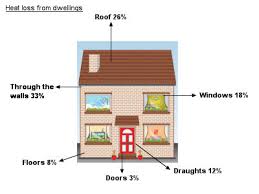
This reduction in energy consumption is also good for the environment: the less energy human beings use, the less energy is produced, and the less energy will be put to waste unconsciously or intentionally and there are many alarming bi-products have to be dealt with. We should not just be concerned on our personal finances but also on how to lower our energy bills; we need to think of better and effective ways to reduce our energy use as well. One way of knowing how we use our energy whether efficiently or inefficiently is to conduct a home energy check up. It can save the environment and it can save you hundreds of dollars by energy saving. The fact is that the number one biggest expense in your home is your power bill. And if you are located in an area with extreme weather climates chances are your energy bill is twice as the regular household's bill in areas with "normal" climate. For example, if you live in the desert or warm areas with very hot temperatures you are forced to turn your air conditioner's thermostat to its maximum level to cool your home, in doing so your cooling energy bills can be extraordinarily high especially during summer, or if you are in extremely cold areas, your winter heating bill will be high.
However, you have the power to reduce the cost of your energy bill by making some changes. Doing a home energy check up can guide you in deciding what needs to altered or maintained. There are many things you can do to have an energy efficient home. After conducting a home energy check up you may decide whether to switch to energy efficient exteriors, change your traditional lights to energy efficient bulbs, or schedule an energy saving hour.
Your attitude towards how you use your technology also affects your energy consumption. If you have kids and they tend to forget to switch off the television set after watching or if they are used to putting the computer to sleep mode instead of turning it off after using chances are you will still have bigger energy bill cost. Educate your children and other household members about energy saving and how wasting energy can harm the environment. Help them understand how to use the switch off button.
Little steps like this can make a big difference in your finances and to the environment. It is not enough to have a home energy check up; it is just the beginning of energy saving and is well worth your time and effort.

Article Source: http://EzineArticles.com/4408835

Sunday, 4 May 2014

Tips For Using Solar Home Energy

Solar energy--this term basically does not cause a stirring in the mind as the explanation that comes at hand is indeed too simple. Everyone knows what is meant by solar energy, and that is, the energy that comes from the sun. In its most basic sense, solar energy and other solar home equipment are nonetheless environment-friendly and not risky at all. But then you need not become one fine environmentalist first before you will be able to come across with whatever advantageous benefit solar home energy has.

Why is the solar home energy said to be environment-friendly? What are its general benefits? Practically speaking, when solar home energy is used, the electrical bills tremendously go down as compared to the other type of home energy available for all people. Why would you pay for such expensive bills when all you need to do is to employ solar home energy?
Another major advantage of the solar home energy is the absence of the very complicated and dangerous wiring. Solar energy lights in the garden path or any other solar energy-powered items used in your home are ready to be installed less the wiring to be dealt with. In reality, these solar light bulbs are equipped with darkness sensors so they need not be turned on to give off light and they need not be turned off as well when they are no longer needed. As a sort of simple explanation, the solar light bulbs will simply have to be purchased, taken out of the boxes, installed, and then presto! You just have to situate them where you want them to be and never worry about them ever again. A List of the Benefits of Solar home Energy Why is the solar home energy equally beneficial? Why is it more recommended for use? Here are some of its benefits which are truly worth the attention to be graced by anyone:
Solar home energy is environmentally friendly. As mentioned a while ago, solar home energy will not harm the environmental features. It is specifically clean and renewable as well. More so, it does not cause pollution just like what the rest of the traditional electrical forms do.
Solar home energy systems need the least maintenance. They are not fuel-powered so no need to buy the refills.
Solar home energy makes you save a lot of money. The energy that is derived from the sun can be accessed for free as you make use of solar lights, solar panels, and the likes. The federal government most of the time gives out financial incentives. You don't get affected by the rise of the fuel rates since you are using solar home energy.
Making use of the solar home energy makes you entirely independent from the foreign and centralized energy sources. Power outages will not likely affect you in any manner.
Most of the solar energy items are very easy to install thus lessening the complicated work of the wiring systems.
Harry Intrim runs his own decorating business. Check out these great articles about Solar Home Energy [http://www.homes-interiors-and-gardens.com/Solar-Home-Energy.html] now and start saving money.

Article Source: http://EzineArticles.com/525059

Sunday, 13 April 2014

How Can We Save Home Energy

Energy is a thing which is required everywhere in doing any sort of work.eating, reading, studying, playing etc are all those works which are done by us in our daily life and we use energy for this.in the same way in our homes there are different types of energy used by us like electricity thermal energy and others. Now what to think is that how can we save this energy and what steps should be taken by us to save the energy. Very first step to be taken by us is we should have those devices which give better work but consume less energy like energy savers in energy savers we are given much better lights and along with this we are given this quality or facility that they consume less energy Further steps which we have to be taken are when we leave our room we should switch off our lights and other things which we were using before coming out of out of our room in this way we will not only saving energy but also saving our home bills.

We should use such types of appliances which are helpful for us in saving energy as in our kitchens we use microwaves ovens, grinding machines etc these types of machines should be of such quality that they should not take or consume much energy. We should use blind screens instead of screen savers on our computers because screen savers are also of that types which consume much energy.the other way of saving energy is that we should plugged out the switches from the sockets because there are some devices which usually takes out or consume energy. 

Sometimes the solutions are as simple as not leaving the refrigerator door open for too long to more complicated solutions like investing in an energy efficient heating system or solar panels. All homeowners should be aware of the way that they use energy and make adjustments where needed. If everyone did their part, we can make a real change in the world.

Source: http://goarticles.com/article/How-Can-We-Save-Home-Energy/2711127/

Sunday, 30 March 2014

The Home Energy Yardstick Can Help You Save Energy And Money

Every family uses energy differently in their home. It all depends on the family's lifestyle, habits and the home they live in. The type of heating and air conditioning you have, how you heat your water, your lighting and appliances are all a major part of your energy usage and cost. If you want to discover how you really use energy around your house then you should try the "Home Energy Yardstick". It's a great place to start when looking to discover not only how you use energy but any problems you or your home has with inefficient use of energy.

To use the Home Energy Yardstick doesn't take very long but it does take some effort. There are some things you will need to know about your home like the last three months of hydro and gas or other energy bills. The size of your home and most of the rest you shouldn't have to look up. The length of time it with take you will depend somewhat on the complexity of your home. But it really is quite easy and you can do it online.
One of the things Energy Star's Home Energy Yardstick does is compare your use of energy with how other homes of similar size and geographic location use energy. This in itself will give you an idea of how efficient your home is along with maybe how good or bad your habits are when it comes to using energy. For instance I know some people who complain about their energy bills but run around the house in the middle of winter with nothing on their feet and the front door open and only the storm closed. Not good habits for saving energy.
If the home energy yardstick does not give you enough information of course you could always have a comprehensive energy audit done on your house by a professional energy auditor. An energy audit will give you a more complete picture of how you use energy around your house. An added feature of the audit is it will also identify potential health or safety issues that you might have as well.
You need to understand that every home is unique in the way it uses energy. If you are really want to reduce the energy use of your home, you really need to know how a where you will get the most bang for your buck. For example, if you know you have poor windows and you are leaking a lot of your heat to the outdoors that maybe should be priority number one. It would also be more cost effective to do that than for example add insulation. If your furnace is not new but not in bad shape but your habits are poor then replacing the furnace will really do little to help save energy.
Figuring out where the problems are is step one. Fixing the issues is really step two and can take a while to complete depending on how aggressive you are able to approach the problems. Keeping your home running efficiently should be your long term goal and will take the rest of your days in your home working on it.
Do you realize the average family's utility bills are about $1,900 a year? The problem is a lot of that money and energy is wasted. Not only that but each year the electricity produced for a single home often by fossil fuels, produces more carbon dioxide than two average cars.
The Home Energy Yardstick can help you in make your home more efficient. You can do-it-yourself in just minutes. Make your home more energy efficient, help reduce your high energy bills and help the environment.
Start making small changes today!

Article Source: http://EzineArticles.com/6123778

Sunday, 9 March 2014

Important Reasons to Have a Home Energy Check Up

Are you aware of how important and beneficial a home energy check up can be? Let me tell you indeed how significantly it can help you to save on your energy bills.

The home energy check up is an evaluation of your home that you can do either by yourself or by hiring a professional to do it. This evaluation is really important when you are trying to saving energy as it helps you determine the exact areas your home that can be improved and made more energy efficient.
In order to make the check up as effective as possible it is best completed when your whole family is present. They all need to understand and be a part of implementing the changes that need to happen. If you have younger kids it is your responsibility to help them value the energy used around the house and therefore learn to use it wisely and efficiently.

Today more and more people want to save energy around their house but they want to do it their way. Unfortunately only a few of them actually take advantage of the resources and tools available to them. Some of those are the home energy check up, the home energy yardstick and government incentives, as well as many others.
As a family unfortunately your individual efforts may be offset by another member of the family's irresponsible actions. That is why everyone in your household must be a part of the check up and work together to implement the changes. 

Here are 5 basic energy saving techniques:
1. To switch off lights when you're not in the room is an easy energy conserving technique, yet not many people take advantage of it.
2. Turn off your electronics instead of letting them sit on standby. You may assume that standby has the same energy saving potential to switching the item off but that's simply not true. The truth is that a TV on standby still consumes around 60% of the energy it uses while it is on. Off uses no energy.
3. Use the new energy efficient light bulbs. These light bulbs have a number of advantages over the typical incandescent bulbs. They last 10 times longer, consume 25% less energy, and produce a brighter, whiter light. They operate cool which means they don't waste energy in the form of heat.
4. Improve the exterior of your home. Get rid of all sources of drafts of cold air coming into your home by eliminating any cracks and holes, this can save a lot of energy. You can do this with caulking or spray foam and weather stripping.
3. Use the sun's natural heat to help heat your home. You can do this by opening your window curtains during day time and closing them at sunset. This allows your home to gain daytime heat from the sun and keep it in during the night.

Saving energy at home is not that difficult to do, yet many people are still not taking advantage of these common sense ideas that can save them money. There could be many more reasons that you need to know about your home that would make a home energy check up worth your efforts.
By completing a home energy check up you will know what you need to do to improve your home's energy efficiency. That along with the list above will allow you to make the changes necessary around your home. It is important that you realize that it is dependent on you to do the work.

Source: http://goarticles.com/article/Important-Reasons-to-Have-a-Home-Energy-Check-Up/4314796/

Sunday, 23 February 2014

How to Conduct a Home Energy Audit For Energy Efficiency

Almost a quarter of the total energy used in the U.S. is consumed right in our homes, so energy efficiency should be a vital part of our lives. On average, heating and cooling uses about 40 percent of a home's total energy, while lights and heating water use another 20 percent, and large household appliances consume around another 15 percent of the total. That's a lot of energy going into our homes, and with ongoing concerns about energy shortages and the environment, along with rising energy prices, anything that can help ensure our homes are more energy-efficient is definitely worth considering. But where does a homeowner start?

A home energy audit is what can help you figure out how energy-efficient your home is. Home energy audits can determine how efficiently your home is using energy right now, pin point problem areas you may not even be aware of, and perhaps more importantly, help you prioritize ways to improve your home's overall energy efficiency.

How Does One Go About a Home Energy Audit?
There are a number of ways to conduct an energy audit of your home, ranging from hiring trained and qualified professionals to simple, easy-to-use online assessment tools.

Hiring a Professional
A professional home energy audit will go into much greater detail than a quick online assessment. Since you are hiring trained professionals who will be using specialized equipment, the final report will obviously be much more comprehensive. Make sure you devote the time and budget to this if you are having it done professionally.

o  A professional audit will usually begin with an interview during which you will be asked a number of questions regarding how you and your family live (how many people in the home, are all the rooms used, average temperature settings in winter and summer, etc.), as well as a comprehensive look at your utility bills going back for at least a year.
o  Next would be a thorough examination of your home from the outside (noting things such as the amount of wall area versus the number of windows, their size, shape and make-up, plus their orientation (which way they are facing), and the position of your home on its lot.
o  The final step in a professional home energy audit would be a room-by-room inspection of your home using specialized equipment, such as infrared cameras, furnace efficiency meters, surface thermometers and blower doors to help determine areas where energy could be lost.
o  The outcome of all this effort will be a detailed report highlighting how efficiently your home is using energy right now, as well as a providing a list of changes you could implement to improve your home's energy utilization.
Finding a Home Energy Auditor
o  You may be able to get recommendations from your state or local government energy office, or your electric or gas utility.
o  Check your telephone directory by looking under Energy for companies that perform home energy audits.
o  Consult the , and find professional home energy auditors in your state.
Conducting Your Own Home Energy Audit
If you have time and you are willing to put in the effort, you can do your own basic home energy audit in about half a day. Essentially, doing your own home energy audit involves determining if your home has adequate insulation, as well as looking for areas where there may be air leaks or infiltration that would force your home to use extra energy. Here is how to conduct your own simple energy audit.
o  Start by measuring the insulation in your attic. Since up to 50 percent of a home's energy loss is through the roof, adequate insulation in imperative. The Department of Energy recommends that if you have less than R-30 insulation in your attic (R-30 equals 11 inches of fiberglass or eight inches of blown cellulose), you should add more.
o  Air moving in and out of your home will add a lot to your heating and cooling bills, so walk around the inside of your home, and look for any air leaks. A burning incense stick or even a tissue balanced on a pencil will act as a good indicator of moving air. Simply move it around window frames and door edges, and see if there is air movement. If you see any leaks, you have found gaps that need to be filled with caulking or weather stripping.
o   Check heating and cooling ducts to be sure there are not any gaps that will allow air to escape, forcing your furnace or air conditioner to work harder to heat or cool your home.
o  Also while outside, look at areas where two types of building material come together (window frame and siding for example) to see if there are any openings on the outside that need to be blocked. Also check where pipes and cables come through the walls to be sure there are no openings.

Visit the ENERGY STAR website. Sign in, answer some basic questions about your home, such as how many people live there, how big it is, the type of heating system you have, and the amount of your energy bills for the past year. After you submit your information, you will receive a report outlining how your home compares to others across the country, as well as some suggestions about how you could improve your home's energy efficiency.

Source: http://ezinearticles.com/?How-to-Conduct-a-Home-Energy-Audit-For-Energy-Efficiency&id=3098209

Sunday, 16 February 2014

Home Energy Savings: New House Design and Energy Conservation

Consumers in North America are getting ready for the 2005 / 2006 winter season as we write this report and most are bracing themselves for larger energy bills during the coming winter heating season than past years. Recent spikes in energy costs for all types of energy including gasoline, heating oil, electricity and natural gas are causing many consumers to begin thinking about how they heat their homes and whether they can save money. In our discussion we will use the term "energy" to refer to all of the previous forms of fuel that is used in our homes. Energy conservation begins with the design and construction of a new home and carries through to your daily living habits. Consumers who have the most success in terms of reducing their energy bills have made energy conservation a way of life, while enjoying their new homes in comfort. Many homeowners have the potential to reduce their heating bills by as much as 50% or more. They can achieve these savings with a logical, well planned approach beginning with the design of the home, proper construction techniques, well insulated windows, doors, and walls and then follow through with daily, monthly and annual operational techniques. Consumers who have designed and insulated their home with energy conservation in mind will be able to maximize their savings if they make energy conservation part of their every day life. The common objectives of living in a comfortable home and managing your energy consumption can easily be met by following a few simple rules.

Systems Approach to Energy Savings
Our homes are really a complex environment that must be managed to ensure that we live comfortably, have sufficient fresh air, while controlling our energy consumption at the same time. Essentially, a well planned home will take into account the amount of energy intake from energy sources such as our heating system as well as solar heating vs. energy loss from the effects of cold weather, heat loss through windows, doors, walls and floors as well as heat reduction when we use air conditioning systems in hot climates. In the winter we are concerned about the cost of heating our homes and the loss of heat to the outside through leakage of cold air into our homes. The summer brings the reverse when we must cool our homes and manage the cooling during hot summer days. In both cases solar heat plays a part in the equation as well as how well sealed our homes are. Consumers living in colder climates will be more concerned about winter heating costs while consumers living in southern areas of the continent will worry about the cost of air conditioning. Taking a systems approach to managing your energy costs is one way to ensure that you maximize your savings and make a positive contribution to the environment through reduced energy usage. Energy conservation and home design begins with the orientation of your home to maximize the heating of your home by natural solar heating in colder climates and avoiding solar heating in hot climates. Next, consumers can take advantage of natural shade or by adding trees to provide shade during hot summer days and also act as wind breaks to reduce the impact of the cooling effects that the wind can have on the amount of energy they use. Once you have considered these elements, consumers should use the latest techniques in designing their homes with high insulation values in the walls, energy efficient heating and cooling systems as well as energy efficient appliances. For example your air conditioning unit should be energy efficient and placed were it will be in the shade as much as possible to maximize its efficiency. Selection of fluorescent lighting, taking advantage of natural lighting are additional elements to be considered in the design of your new home. Visit our home energy checklist for more details on steps you can take to reduce your energy costs at the design stage of your home. Consumers may also want to invest in an energy audit of their homes design before agreeing to the final design. A relatively low cost audit can sometimes save thousands of dollars in energy costs over the life of their home.

Our Home Energy Checklist
We have assembled a home energy checklist with both the new home buyer / builder in mind as well as items to check after you have moved in. Our objective is to assist you in saving energy, which means money in your pocket during the design as well as after you have moved into your new home. Saving energy can be divided into four areas: Home Design; Appliance & Lighting Selection, Energy Conservation - A Way of Life. This total systems and life style approach is really geared to maximizing your energy savings. You might have the most efficient energy saving home built, however if you move in and leave all of the lights on all the time, leave the windows open when you are heating the house or cooling, your energy saving initiatives will not be as affective as you might have thought. With this in mind our energy savings checklist applies to the design phase as well as after you have moved into your new home. Even consumers who have been in their homes for a few years will find this checklist useful for managing their energy consumption.

Designing New Homes and Energy Conservation
Most home designers and architects are up to date on energy conservation techniques, however they are also geared to meeting their customers needs and priorities for their home designs. Many consumers will consider home energy management almost as an after thought when it is too late to incorporate energy savings concepts into their new home design. As you and your home designer or architect discuss your plans and your objectives for your new home, always emphasize that energy management and home comfort are a very important element of the final design that your are looking for. Designing a new home actually begins with site selection and orientation of your home on the property. Depending on the climate consumers will want to orient their homes on the property to manage the amount of solar heating that the house will be exposed to. A common theme throughout this report is to orient your home so that the sun can heat the home naturally in the winter, while minimizing the effects of solar heating during hot summer days. Adding trees or shrubs to provide shade and taking advantage of natural land formations to provide shelter from prevailing winds is the first step in managing your energy costs. Construction of the foundation for homes varies a great deal across the continent. In some locales a below grade basement is mandatory, while in other locations a concrete slab is standard. In both situations, insulation is a key component to maintain comfortable living conditions while reducing your energy costs. Insulation can be added below the slab of concrete and all basement walls should be properly sealed and insulated to at least R20 levels. All exposed hot water pipes can be insulated as well in addition. Walls should be insulated to at least R20, while attics should have insulation to a level of R40. Floors over crawl spaces will be warmer and you will lose less energy if the floors are also insulated. Many customers will select wall to wall carpeting for additional insulation and warmth, however if you prefer ceramic, marble or hardwood floors, area rugs can be used as decoration as well as providing a warm surface to walk on. Ceiling fans are another inexpensive way to distribute naturally heated air. Consumers can select windows and doors that are energy rated with triple pane windows and insulated steel doors. Adding a storm door to the outside increases the level of insulating and energy savings that you can achieve. During the winter consumers will enjoy the warmth of the suns ray's through the windows, while summer months the windows can be covered to reduce the heating affects of the sun. Selection of window coverings, while meeting aesthetic requirements can also support energy saving concepts as well. The selection of lighting fixtures with fluorescent lighting and also taking into account natural lighting can reduce your lighting costs significantly. Incorporate timers, motion detectors, photo cells at appropriate locations in your home to assist in managing your lighting needs as well as energy usage. Bathroom design as well as all areas were water is used should incorporate flow restrictors to minimize the use of cold and hot water. Everyone loves to have a fireplace in their home. A fireplace can generate a huge loss of energy if not managed properly and designed with energy conservation in mind. Natural wood burning fireplaces have the lowest efficiency, while sealed gas fireplaces can be very efficient, while still providing the ambiance that many consumers are looking for. The selection and use of your appliances can have a significant impact on your energy costs. Old appliances may be energy guzzlers, while new appliances should be chosen based on their energy ratings. Selecting a high efficiency furnace, air conditioner and water heater is a first step. Consider purchasing new appliances instead of moving your appliances from your last home. Electronic ignition of gas appliances, taking advantage of shade for your air conditioner and using a digital thermostat that allows timed control of your homes interior temperature are all elements of the energy design of your home. One final comment about new home design is in order. Consumers may also want to arrange for an energy audit of their home before they agree to the final design. Suggestions by an expert quite often will pay for the cost of the audit in terms of energy savings.

Energy Conservation - A Way of Life
Consumers who go to the time and expense of designing and building an energy efficient home may be disappointed with the savings that they obtain if they do not practice energy conservation in their daily lives. For example, you may have paid for a well insulated home, sealed all the cracks, used caulking were you were supposed to and installed the best windows and doors. If you then leave windows open, forget to turn down the thermostat on cold winter days when you are not at home or turn up the thermostat on hot days, you may not achieve the savings that you were expecting. Leaving lights on, running appliances with partial loads e.g. the dishwasher etc can also increase your energy consumption beyond what you may have been expecting.

Our home energy checklist covers many items that home owners can consider as a means of taking advantage of all of the energy efficient attributes of their home to reduce their energy consumption even further. Making this approach part of your lifestyle will ensure that your energy savings continue after you have moved in to your new home and lived there for sometime. Many people are also concerned about the impact of conserving energy on their comfort and may be afraid to implement some energy saving concepts. We would like to politely point out that replacing an incandescent light with a fluorescent light will not only save you energy, but provide you with a more comfortable light in your home as well. Filling up the dishwasher or the clothes washer before running them takes no additional effort on your part and saves you energy usage at the same time. There are many examples such as these that will reduce your energy consumption and not impact your comfort. In fact plugging leaks and designing ceiling fans into the home can positively improve the aesthetics as well as reduce drafts. Review our home energy checklist and apply those items that impact your situation. You will be amazed at how much you can save by following a few simple steps!

Source: http://ezinearticles.com/?Home-Energy-Savings:-New-House-Design-and--Energy-Conservation&id=91293

Monday, 6 January 2014

What is "Alternative Energy"?

There is an abundance of natural energy that we can harness depending on the levels of research and development into them, and into the commerciality of harnessing them on an industrial scale. But it is theoretically completely possible (regardless of the mandate for our planet) to get away from our dependence on fossil fuels and national electrical grids by turning to alternative sources of energy. It is paradoxical we call these natural energy sources "Alternative Energy" or "Green Energy" despite them being, in many cases, original forms of power that mankind used to use for centuries! This brief article is an overview of the most commercial-ready "alternative energies" that exist today.

Wind Energy


Wind energy is perhaps the most immediately recognised alternative energy as the proliferation of "wind farms" (and occasional opposition to them) attests. Harnessing wind-power is hardly new - many turbines look like old wind-mills. But turbine development continues to progress with power efficiency increasing and set-up costs decreasing. Design varies from the traditional wind-mill-style fan to more modern helix-shaped wings which pivot on a vertical axis. Wind turbines exist both to generate "mass" consumption electricity, as well as to provide for the needs of individual establishments (like houses). Green Energy (Eu) itself is analysing the latter type of turbine in order to recommend a product to the market.

Solar Energy

Solar energy is also not a "new" alternative energy concept, but its early history was blighted by poor power output and very high cost. Capturing solar energy requires the manufacture of photo-voltaic solar "cells" (or panels) which trap and concentrate "insolation" (the energy given off by the sun) and convert it directly into electricity or, in some cases, hot water or steam, which can then be used directly as a heat source, or as a power source for electrical turbines.
As with wind energy, solar energy creates absolutely no pollution and the technology has recently started to come of age, allowing more efficient capture and conversion of solar energy for less cost.

Ocean Wave Energy

Ocean wave energy is seen by governments and investors as having enormous energy generating potential, but as a fully commercial source of power, it is yet to have its day. There are two main types of ocean energy:
1) Harnessing the kinetic energy of waves. Commercial exploitation of this type of energy is still low but does exist. A generator has been in operation for some years in France now and is considered to be very successful. In and around the UK, there are experimental wave energy plants in Scotland and Ireland and the Spanish government has also commissioned a wave farm.
2) Ocean thermal energy conversion (OTEC) which theoretically offers a great source of energy but as yet is under-researched and consequently realistically offers no short term source of commercial green energy.

Hydro-electric power

Hydroelectric power has been commercially exploited for several decades now and where used, is a powerful source of clean, green electricity. There are obvious limitations as to the location of hydro-electric plants (e.g. where a huge potential difference is available in water inlet and outlet, either due to height of water, or volume). Because of the construction requirements, entry costs are also high. A throwback to water mills of olden times: some "run-of-the-river" or small and local hydroelectric generators are available but are not widely exploited.

Geothermal energy

Geothermal energy is abundant since it lies directly under-foot just a few miles below the earth's surface. This energy is produced by the differential between ambient surface temperature and the warming ground-effect of the earths core. Commercial deep geothermal energy "mining" is possible by turning water into steam to drive turbines which in turn generate electricity. However, domestic / business geothermal heating units exist on a less grand scale to simply exploit the potential difference between ambient and soil temperature in combination with a heat capacitor to generate home or office heating. There is still a lot of mileage to go into research and development of geothermal energy.

Waste Gas

Waste gas - mainly methane - is available from garbage tips, agriculture, ocean and lake beds and from industry (via exhaust emissions). Tapping methane from these sources would in part compensate for the otherwise harmful energy-pollution relationship of modern industry, domestic and commercial waste and and cattle farming. Methane is then used in fuel cells and can be used in standard gasoline generators. However more means need to become available to make extraction of methane from such sources more commercially viable and attractive to its producers.

Ethanol

Ethanol is a gasoline substitute and is available from the fermentation of high starch / sugar vegatable matter such as wheat, sugarcane, grapes, strawberries, corn, and even from wood chips and wood cellulose. Some debate questions the widespread commercial use of ethanol, versus its exploitation in specialist energy areas, but technologies for its extraction and distillation have been with us since the dawn of man (!) and are continuously being refined.

Bio-fuels

Biofuels, such as Biodiesel energy is extracted from the oils contained in plants such as oilseed rape. So far, the commercially exploitable sources of biodiesel have come from plants such as soyabean, rape seed, and sunflower. Biodiesel has so far been exploited by the farming industry, as an alternative crop product that is more commercially attractive now than sowing wheat and grain. The supply of the raw oil-producing plants has therefore meant that it is beginning to become commercially attractive to produce the fuel from them, which in turn has led to generation of alternative forms of demand for it. Biodiesel is a green energy because it burns far more cleanly than fossil-based diesel.

Nuclear energy

Our overview of alternative energy sources cannot be complete without a review of nuclear (or atomic) energy. Tarred with a huge environmental and health "black brush" due to the instability of early installations (remember Chernobyl) and the difficulty of disposing of old reactor cores, atomic energy itself - generated by the process of nuclear fission is nonetheless extremely efficient and can generate huge amounts of power. Nuclear power is a mainstay of France's electrical generation as the country never had the fossil fuels to exploit, unlike the United Kingdom (oil, gas and coal). Consequently France's nuclear industry is well developed with a safety record to match, and both French electricity and nucelar know-how are now exports to the UK.
About the Author: Richard Martin, Head of Marketing, Green Energy (Eu). Green Energy (eu) is a rapidly-emerging expert in the field of Green Energy and power-saving electrical products for the home and office. With combined extensive experience in top-end building work, huge Information Technology programmes and Property Surveying, the Green Energy (eu) executive is ideally placed to reinvent the domestic and commercial energy industry.

http://www.greenenergy-eu.com/Articles/