Home Energy

Showing posts with label Tips For Using Solar Home Energy. Show all posts

Sunday, 18 January 2015

Save Home Energy Information - What to Do to Save Energy

The effect of the constant increase in electricity bills leads people to find ways to save energy. For some, turning the lights off before sleeping is one way of minimizing electric consumption. While there are also some who minimize their use of electrical appliances in order to reduce their energy consumption. These methods are also good, but, they are not really that effective or do not really maximize energy saving. There are many ways to save energy and minimize your electricity bills even without having to sacrifice comfort. To give you a better idea, here's a few save home energy information that you might want to consider.
Although turning off the lights can save you energy, it doesn't stop the lights from consuming energy as well as it also leads to you living in a dark place. This problem can be solved by changing all incandescent bulbs and using compact fluorescent lamp (CFL) bulbs instead. Aside from being energy efficient, CFL bulbs also produce brighter light as compared with what incandescent bulbs can produce. Doing this method can help you save energy without having to sacrifice comfort. The minimal use of electrical appliances and turning them off after using is also a good idea. But, to maximize your energy saving process, unplug them after turning them off because they still continue to consume energy when left unplugged. Also, try to buy energy efficient appliances. There many of these appliances these days that is being manufactured and sold in the market. They may be quite expensive, but in the long run, they can really help you save a lot of energy as well as lessen your electricity expenses.
Water leaks and water consumption are also one of the things that you can learn when reading about save home energy information. As you know, water and energy are related to each other. One of the largest sources of energy around the world comes from hydro power plants. This means that if there is a shortage in water, there may also be a shortage in energy. With this theory, there's a need for us to also conserve water in order to save energy. This is one of the most common things being overlooked by people when it comes to saving energy. Often, they would think that saving energy is just all about saving electricity consumption. This situation only shows the lack of knowledge when it comes to save home energy information.
With thorough research, you can surely find a lot of save home energy information that you can apply in order to save energy and lessen your electric expenses. What were mentioned previously are just a few save home energy information that you might want to keep in mind and try to apply. To learn more about save home energy information, try searching the internet. For sure, you will be able to find a lot out there.

Article Source: http://EzineArticles.com/4432475

Sunday, 30 November 2014

Aspects of a Full Home Energy Audit

Many homeowners are looking for ways to make their home more energy efficient and save money on their utility bills. Often times the energy company that performs a free home energy audit only checks obvious areas like lighting and air sealing.

It is important that your home energy auditor performs a complete home energy audit. Vital aspects of your home that should be checked in a home energy audit include:

*Heating and cooling system: Learning about the energy efficiency of your heating and cooling system is essential. If this is not checked there could be an abundant amount of energy being lost that you do not even recognize. Heating and cooling accounts for a large amount of energy use in your home and can be a major source of energy loss as well. Getting a complete home energy audit that assesses your heating and cooling system is something that you don't want to go without.

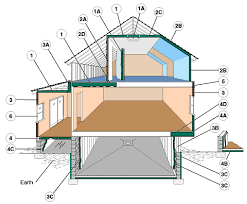
* Sealing: Although air sealing throughout your home is an obvious check, make sure it fully evaluates the air sealing. Simply checking around windows is not enough for your energy audit. A proper one should check for air leakage in your attic, foundation, and around any vents that may be letting in unwanted air.

When places are found throughout your home that are not sealed properly, it should suggest fixes such as insulation in the attic or basement, caulk and weatherstripping around doors and windows, and foam gaskets behind outlet and switch plates on walls. These fixes will keep in the conditioned air so that you are not wasting energy heating or cooling the outside, unconditioned air.

* Insulation: They are only complete when the insulation in your home is fully assessed. Many homeowners believe they have enough insulation in their home when this may actually be a major cause of energy loss. Simply checking to see if there is enough insulation is not a complete energy audit either though. Assessing your insulation r-value is essential.

The r-value of your insulation determines how well your home is insulated. This value depends on the type insulation that is in your home. A full one will assess this and let you know if you need to improve the insulation in your home to save energy and money.

* Lighting: Lighting is a simple fix, but is not always addressed in a free home energy audit. A proper one should be extensive and definitely address the lighting in your home. With new lighting technologies, the energy you use for lighting could be reduced by 50-75%. Installing energy efficient compact fluorescent light bulbs (CFLs) throughout your home will save energy and money every month.

* Appliances: It should also include an assessment of the appliances you already have and the way that you are using them. Dishwashers, refrigerators, washing machines, and dryers all must be checked out to achieve a proper understanding of the energy you are already using. When that is established, your home energy auditor should then be able to give you solutions to save money when it comes to your home's appliances.

All in all, it is extremely important that you receive a whole-house energy audit to discover your home's energy efficiency and ways that you can save money. If it looks appealing, make sure that the auditor addresses all aspects of your home and fully assesses every area where you could possibly be losing energy.

Source: http://www.artipot.com/articles/1112441/aspects-of-a-full-home-energy-audit.htm

Sunday, 16 November 2014

How to Make Your Home Energy Efficient and Get OFF THE GRID!

Tips to Make Your Home Energy Efficient
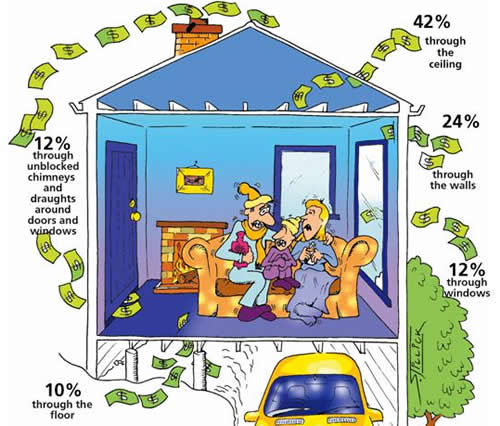
With the financial situation that the world is facing these days many people are trying to find a way to save, save, save. By making your home energy efficient it will save you money in the long run. Your monthly electricity and gas bill will be decreased if you make your home energy efficient. Insulation is a key to maintain the comfort of your house inside. If you have the right insulation put into your home you will see your power bills drop. There are places in your home that should be insulated that you may not have thought of such as floors, ceilings, basement walls, overhangs, and the walls inside. Wherever air is leaking into your home it is making your power bill increase. So you need to be sure that all cracks and crevices are sealed tight. You can help make your home energy efficient by replacing your lighting fixtures with energy efficient models. You should make use of your dimmer switches also because this saves energy and money. Open up your blinds and curtains and let the natural light shine in this is how you can save the most on your bill and it is the best way to conserve energy.
When you are using your home appliances you are using a lot of energy. The best way to save energy here is to shop for new appliances that have the energy star. The cost of these products may be higher then normal but they are worth the extra money in the long run.

Also - TV's use a hell of a lot of energy so why not turn them off during an evening and go out and enjoy yourself - take your family out, experience the great out doors! Sounds cheesy I know but it works! Install some solar panels - this will make your home energy efficient. Energy is created with these using natural resources. Solar panels can come in the form of a solar thermal collectors that help the suns energy heat water. What a great way to use the suns natural energy and to make your home energy efficient. Install a wind turbine or build your own wind farm in your back garden! Wind Mills can produce a lot of what is essentially - FREE - energy from a renewable source that is the wind!

The best way to make your home completely energy efficient is to get off the grid by making your own own energy producing devices. Build your own Wind Turbines, Solar Panels and convert your home to Green Power. Not only is it cheaper to build your own rather than buy them but it is also very rewarding! Once you've built your own windmills and solar panels you could be producing more energy than you can consume so in which case you could start selling your "Homemade Energy" back to the grid! This will offset the initial price of building your own wind turbines and solar panels and give you some extra cash to spend on cooler things! Green Power Easy is a Brand New DIY Green Energy Course with Step By Step Videos which teaches you how to:

Build Your Own Solar Panels
Build Your Own Wind Turbine
Completely Convert Your Home to Green Energy
Live off the grid with the "Free" alternative energy you produce
Start your own green-power business.
Save Our Planet and Your Money!

Article Source: http://EzineArticles.com/3082954

Sunday, 7 September 2014

Five Free Home Energy Money Saving Tips

  1. Be proactive. The best way to save money on your home energy costs this winter and yer round is to not use as much energy in your daily routine. By identifying potential energy increases before you actually do them, you will save money on energy. For example, proactively abstain from turning on a light that may not be needed, rather than turning off when it is already on.  
  2. Pay attention to what your home is telling you. As I teach you in my free home energy secrets course, your home is trying to tell you something. When you walk down your hallway and feel drafty, that's your home telling you there is an energy leak problem in the hall. When you wake up in the morning to a cold home, that is your home telling you there might be a furnace or heating system problem. If a window is drafty...well, you get the idea.  
  3. Diligence is key. Make repairs and enact energy saving tips sooner than later, ideally within a few days after you find them. Think of it this way. Once you find a home energy 'gaffe', every day that you let the mistake slide costs you money. Sometimes it will only be pennies a day. Other times, it may be much more significant  
  4. Be thorough. One of the biggest mistakes you can make is to assume how your home uses energy. You simply can not do this, because every home is different and every home uses energy differently. In fact, every room of your home uses energy differently. When you look at your home's energy usage, take the time to walk through every single nook and corner, wall to wall, right from the ceiling to the floor. You'll be amazed what you find.  
  5. When in doubt, shut it off. Not sure if you'll need a light on? Turn it off. Put lights that are used but forgotten, like outdoor lights, on timers on motion sensors.
Energy Saver Dave regularly writes about home energy savings tips, energy efficiency, and saving money on home energy bills. He is not only an avid proponent of alternative energy and energy conservation, but of homeowner education about their home energy usage. He is a regular contributor to the Utility Bill Busters blog, a free resource for homeowners and renters to get valuable information on saving money on their energy bills.

Article Source: http://EzineArticles.com/2288904

Sunday, 24 August 2014

What Can Home Energy Audits Do for Homeowners?

Many property owners decide to hire an auditor to perform a home energy audit. There are many good reasons to have an audit done on your home. Despite their growing popularity, many homeowners still dismiss the potential of home energy audits. Believe it or not, there are a number of benefits to having a home energy audit performed on your home, and they aren't all focused on the environment.

Does Your Family's Green Living Measure Up?
The environment isn't the only reason to have a home energy audit performed, but it is one of the biggest reasons homeowners do it. The home energy audit will help your family determine where they can improve to live greener and cleaner. The addition of an Energy Star certified product, for example, can help lower your household's overall consumption. A home energy audit can also provide information on things that can be changed or added to your home to reduce waste and stay eco-friendly.

Lower Utilities Bills Can Help You Enjoy the Other Side of Green Living
There is another side of green living that your family can benefit from. This green is the color of money rather than Mother Nature. A home energy audit can show you which utilities you may be over-consuming. It might not be due to actual use, but rather another issue. For example, a home energy audit could advise you of an appliance that needs replaced, such as an old electricity-devouring A/C unit or hot water heater. The auditor can provide suggestions for energy efficient replacements. The home energy audit results can help you find ways to live comfortably while keeping more green in your bank account.

Move Away From the Grid
A home energy audit can also help you come up with ways to live more independently and less dependently on the "grid". In this case, we are talking about more than just electricity, although that is a good place to start. Some families have solar panels installed so they can supplement their current power source or possibly wean themselves off of it completely. Wind power is another popular choice, depending on where you live. Home energy audits are the first step to improving the way your family lives.

Do Your Homework Prior to the Home Energy Audit
Before hiring a company to perform your home energy audit, do a little research. You do not have to turn into an expert, after all that is why you are hiring a professional. However it can help to know what a home energy audit will include. Most services offer clear information on what is covered and areas where your home might need improvement. For example, most home energy audits will include vital household components such as the furnace, hot water heater and air conditioning and insulation.

The home energy audit focuses on more than just energy consumption. It can also assist you with information on your home's indoor air quality and overall comfort.

Get Funding for Your Home Energy Audit
Many people are not aware that they can actually receive funding for their home energy audit from the government. The amount and eligibility requirements will vary from one location to another, however in Ontario homeowners can receive up to $5000 in grant money for improvements they make to their home that improve its energy efficiency. Learning about available grant money should be your second step prior to hiring a company to perform an energy audit on your home.

You could wind up saving much more than you spent on the home energy audit inspection in the long term. Follow the suggestions and instructions of the auditor and you will begin to notice a decrease in utility bills. The home energy audit can also give your home more appealing qualities to entice buyers should you decide to sell in the future.

Source: http://www.artipot.com/articles/1360953/what-can-home-energy-audits-do-for-homeowners.htm

Sunday, 10 August 2014

Low Cost and No Cost Tips to Try Out!

Energy Efficient Improvements not only make your home more comfortable, but also will improve your Home Energy Ratings yielding long term financial benefits. Reduced energy bills will more than compensate for any capital investment in new energy systems or energy rated appliances. The reduced power consumption will also reduce green house gas emission, a major concern these days. Not only that, these will also will help fetch a higher price for your house when one day you want to sell it! But before you take the critical decision to invest in a new home energy system, there are a few simple things that will bring about almost immediate benefits to your coffers without any major alterations to your existing set ups. These tips need little or no new investment!


* Invest in a new programmable thermostat to keep your house cozy and comfortable in the colder seasons. When you are sleeping or in the house turn the temperature setting back 5 0 C to 10 0 C for eight hours which will save about 10 % of your energy bills. Bear in mind that every half degree Celsius of your thermostat lowered will lower your heating bill by 1% or so! (In the case of summer cooling you raise your thermostat temperature setting to bring about the same benefits).
* Almost every one is aware of the benefits of using CFL s for lighting. Regrettably all CFLs are not made equal. The main thing to look for is the energy labeling according to EU, ISI or equivalent standards. This is because there are so many products in the market today which when compared on apple to apple basis will show different energy efficiencies even when all the rest seems to be satisfactory.
* When connecting Electronic Items such as your TV, sound set up or the DVD always take the power connections off a Power Strip with on-off switches. Knock off this switch when you are not using a particular appliance. These appliances burn a few watts even when they are in standby mode!
* Switch off your computer and the monitor when not in use. Optimizing the brightness levels will reduce monitor power consumption. An average computer and a monitor power usage may amount to over 100 watts.
* To preserve the best hygiene levels you do not have to have a bath. Taking short hot water showers will bring down home energy consumption and suffice the purpose too.
* Set your home water heater's thermostat (what ever the type and fuel is) to about 49 0 C.
* When using your washing machine using a full load every time will save energy and money. Use cold water wherever possible and when the stain removal does not require it.
* Air Dry dishes instead of using the programmed drying cycle when using your dish washer. Some of you may not know this. Your dishwasher is one of the main electricity guzzlers in your home. Here the major portion of consumed energy is used for heating the water.
o Always wash full loads of dishes.
o Set the hot water temperature to a lower setting barely sufficient for the purpose.
o Avoid using hot water unless your dishes are, for example greasy.
* Ensure all your electrical appliances including fridges comply with EU Energy Labeling A plus (and also preferably with EU Eco- label though not essential).Interestingly the price of an A plus appliance is no more costly than a lesser rated unit.
* Use your windows and curtains wisely. In colder climes the South oriented windows bring in the warmth of the sun in the day time. Have the windows open during the day and closed and covered in the night to keep away the chill. During the winter have heavy insulating curtains on your windows for use during the night and overcast skies. Deciduous trees which do not cover the sun during the winter while providing shade in the summer is a good energy saving idea too.

Article Source: http://EzineArticles.com/2122785

Sunday, 8 June 2014

Home Energy Audit - Why Your Home Needs and Energy Audit

Going about a home energy audit is one smart way of cutting the utility bills that you pay for at the end of every month. Many people tend to forget about the parts of their homes that might be causing the rise in the home energy consumption. One fact that you must learn to take note of is that the home appliances that you possess, although they are switched off and not in use, still consume energy because of the phantom loads that they create.

Examples of these are the VCRs, stereo components, microwave oven, toasters, and the stoves.
Although they are turned off, they still consume energy. How much more when you total their consumptions in a day and then for the entire month? Likewise, the remote controlled devices are always put on a ready mode. Such state of readiness also consumes home energy. Apart from these concerns, the parts of the home contribute to the escalating home energy consumptions. Among these are the attics, fireplaces, and the rest of the less obvious parts of the house.

The general purpose of the Home Energy Audit
Why is a home energy audit recommended by the experts? What is this process devoted for? For everyone's clear understanding, the ultimate purpose of the home energy audit is the making possible of the efficiency in the energy utilized in the home. When the home energy used is maximized and securely utilized, there will be the most possible reduction of the utility bills today and the succeeding years to come.
A home energy audit will work best for homeowners who are confronted with very large electric bills. In fact, conducting the needed home energy audit will let you save thousands of dollars in the upcoming years. Stop dwelling on the windows and doors you have at home for they are obvious spots that let you lose much home energy. Why not look into the less obvious spots like the attic, the ceilings, and the fireplace?
Most homeowners put away their unused things and keep them in the attic. Sure, the attic is a great place to store your junked stuffs. But then didn't you ever glance at your attic and consider the renovation of it so that there will be proper insulation in there? You may indeed throw out big bucks for its improvement but it will do your attic good, so to speak. The attic must be installed with open air vents so as to keep up a good air circulation. When there is no proper air circulation in the attic, the utmost tendency is for the roofing and the stored stuff in the attic to get destroyed.

Now take into consideration the ceiling you've got at home. It must have enough insulation so that the home energy will be kept from escaping from it and to go upwards to the attic. The easiest way for heat to transfer into the attic is through a hole in the ceiling.
Also take a good look at the fireplace. When the concern of regulating and controlling the temperature inside the home comes in, the fireplace is the most difficult spot to cover. As the design of the fireplace is concerned, it is particularly aimed at moving the smoke out of the interior environment of the home.
The process is known as the propulsion of the heat. But then the main problem is that whenever the fireplace is not in use, it still goes on with the propulsion of the heat towards the exterior borders of your home.
When dealing with a fireplace, you should bear in your mind that the flue must always be kept closed when it is not being used. But if you intend to have it open, simply turn off the heater inside your home since it will come out of the vents then cross the room, and then right into the fireplace the heat will be blown out. For some logical reasons, such situation will just cause you a nightmare in terms of the electrical bills that will confront you.

Article Source: http://EzineArticles.com/1753158

Sunday, 18 May 2014

10 Tips To Help You Save Home Energy

Before you spend money on the latest energy-efficient gizmo that's supposed to save you money let's look at some energy saving ideas that will really help you save home energy. The strategies that we will look at maximize the effort you put in and the reduction in your home energy consumption. First sit down and think about all the different ways your family uses energy around the house. Now put an approximate type and cost of energy used. You may have trouble breaking down the cost but try to do it. Now all you have to do is find ways to save on your resources at the same time cut your costs. You may have to think creatively but it can be done. So here are some tips to get you started: 

- Turn the lights off when you're not using them. This is really simple and easy to do. Do you really need your bedroom light on when you're in the living room? Do you leave lights on when you leave the house? Do you even need more than one light on in a room for what you are doing? Believe it or not it makes a big difference.
- Turn all electronics and other appliances off when you're not using them. No one can do everything at the same time. Can you really listen to a radio watch television and use your computer all at the same time?
- Set your thermostat down a couple of degrees in winter or up in summer, to conserve energy. And dress appropriately indoors for the time of year it is. For instance in winter, put on a sweater or some extra clothing, or may snuggle under a blanket to stay warm. In the summer, wear less and stay cooler naturally.
- Only turn an appliance on when you have a full load. This is true especially for the washing machine, dryer and even the dishwasher. It is amazing how much extra energy is used doing multiple small loads in comparison to one full load.
- Do regular maintenance on your appliances. Keeping them clean means they don't have to work as hard. Changing filters again reduces the energy needed to accomplish a task. Regular care will also mean any maintenance bills that you might come up against may well be cheaper.
- Be careful how you use your water. Like when brushing your teeth or washing your hands, use only the water you need. Don't let the water run the entire time. Also, try and use less water if you take a bath, or control your shower times.
- Simply let your hair air dry, instead of using a blow drier every day.
- Lower the temperature on your water heater to 120 degrees F.
Don't forget the bigger projects as well.
- Seal the cracks around your doors and windows. You are paying for your hot air that escapes through cracks all around your house. You need to make sure you are doing all you can to keep the warm air you're paying for inside your house.
- You also need to check your house's insulation. Though this has been done by many homeowners nevertheless you still need to do it before you pass it over. It is probably the biggest thing in reducing heating costs.

Now some of these things may seem trivial to you but let me assure you that even the small things add up over time. And really most of them you won't even notice the difference to your life except your bills.
These tips and suggestions will make your home more affordable, and take some strain off of our world's resources. Just think if all of us would just made a few of these changes to how we do things on a daily basis it would make a huge difference.

Source: http://goarticles.com/article/10-Tips-To-Help-You-Save-Home-Energy/4263793/

Sunday, 11 May 2014

Soalr for Home Energy Use

What could be better than an opportunity to not only help the environment, but to save money in the process? That is what using solar for home energy use can do. Although you hear about it on the news, most people don't really consider making the move them selves. They picture unsightly solar panels attached to the roof of their houses, and think that it is not something they would be willing to try. You may want to reconsider your stance on this. Today's solar energy panels are smaller and more efficient. Rather than being an eyesore, they are actually very appealing and can be made to blend in with the rest of the houses appearance. Using solar for home does not have to call attention to your house. Another thing to consider is the vlue that it adds to your house. Besides the increase in resale value for potential buyers that want to be more green with their lifestyle, using solar for home energy can increase your houses value because it is set up to have a much lower electric bill. Every bit of electricity you can generate with a solar electric system is money that you will not be paying to the utility companies. That is money back into your pocket, which helps to increase the resale value of your house. Of course, by reducing your electric bills, you may never want to sell your home. That is completely understandable. Unless you find another house that is set up with solar for home energy production, you would be walking away from a lot of money each and every month.

Depending on the amount of direct sunlight your house gets, you may be able to drive your electric bill down to almost nothing. That doesn't mean you need to get off of the energy grid completely, because it does serve a purpose as a back-up energy source, but you will definitely be able to reduce your dependence on it. Even houses without an abundance of direct sunlight can see some savings in their utility bills. If you combine solar energy with wind energy, you will be able to see the same or better savings than those that rely on solar alone. Using solar for home energy needs is a great way to save money, and to help the environment. Getting a system set up can be quick and easy, and you can do most of the work yourself for a very small investment. You really should consider making the change today.

Source: http://goarticles.com/article/Soalr-for-Home-Energy-Use/1896999/

Sunday, 4 May 2014

Tips For Using Solar Home Energy

Solar energy--this term basically does not cause a stirring in the mind as the explanation that comes at hand is indeed too simple. Everyone knows what is meant by solar energy, and that is, the energy that comes from the sun. In its most basic sense, solar energy and other solar home equipment are nonetheless environment-friendly and not risky at all. But then you need not become one fine environmentalist first before you will be able to come across with whatever advantageous benefit solar home energy has.

Why is the solar home energy said to be environment-friendly? What are its general benefits? Practically speaking, when solar home energy is used, the electrical bills tremendously go down as compared to the other type of home energy available for all people. Why would you pay for such expensive bills when all you need to do is to employ solar home energy?
Another major advantage of the solar home energy is the absence of the very complicated and dangerous wiring. Solar energy lights in the garden path or any other solar energy-powered items used in your home are ready to be installed less the wiring to be dealt with. In reality, these solar light bulbs are equipped with darkness sensors so they need not be turned on to give off light and they need not be turned off as well when they are no longer needed. As a sort of simple explanation, the solar light bulbs will simply have to be purchased, taken out of the boxes, installed, and then presto! You just have to situate them where you want them to be and never worry about them ever again. A List of the Benefits of Solar home Energy Why is the solar home energy equally beneficial? Why is it more recommended for use? Here are some of its benefits which are truly worth the attention to be graced by anyone:
Solar home energy is environmentally friendly. As mentioned a while ago, solar home energy will not harm the environmental features. It is specifically clean and renewable as well. More so, it does not cause pollution just like what the rest of the traditional electrical forms do.
Solar home energy systems need the least maintenance. They are not fuel-powered so no need to buy the refills.
Solar home energy makes you save a lot of money. The energy that is derived from the sun can be accessed for free as you make use of solar lights, solar panels, and the likes. The federal government most of the time gives out financial incentives. You don't get affected by the rise of the fuel rates since you are using solar home energy.
Making use of the solar home energy makes you entirely independent from the foreign and centralized energy sources. Power outages will not likely affect you in any manner.
Most of the solar energy items are very easy to install thus lessening the complicated work of the wiring systems.
Harry Intrim runs his own decorating business. Check out these great articles about Solar Home Energy [http://www.homes-interiors-and-gardens.com/Solar-Home-Energy.html] now and start saving money.

Article Source: http://EzineArticles.com/525059

Sunday, 20 April 2014

Home Heating and Energy Saving Tips

When it comes to saving home energy, energy saving exteriors are the first link in the chain Including energy saving windows, doors and skylights in your plans to save home energy will make a big difference Windows that are double and triple paned provide insulation from the iciness of the wintertime and the heat throughout summer months. Poorly fitted and drafty entry doorways do nothing for your energy saving exteriors

Efficient storm doors that offer a quality barrier to the conditions are essential. Environment agencies now have standards such as the Energy Star Rating for exteriors windows and doors

A relatively new entrant in the struggle to save home energy is the idea of reflective roofing materials which supply another technique of creating a super energy saving exterior

Lowering roof temperatures by up to 100, this material cuts down on the amount of heat that is absorbed by your home Ask your builder to use a reflective roofing calculator and enclose an estimation of the energy saving you will make in his pro-forma

These materials are also given an Energy Star rating. Reflective roofing is most beneficial on houses in warm sunny climates and that are not already well shaded.


Source: http://www.youtube.com/watch?v=7dtwza-Azr0

Sunday, 23 March 2014

The Basics Of A Home Energy Audit

Environmental concerns and skyrocketing oil prices have caused Americans to reevaluate their next steps forward. While the home seems like an impenetrable fortress, there are many spaces which create drafts, waste energy and allow expensive heat to escape. Homeowners have all different goals and budgets, but increasing home energy efficiency is a possibility for everyone. According to CNN Money Magazine, "A typical home energy audit and retrofit costs $5,000 to $8,000, which generally shaves 20%-40% off the monthly energy bills." The Department of Energy says that there are also smaller, more affordable upgrades that can help improve the home's energy profile. "Even the most basic upgrade puts money in our pockets, puts Americans back to work and puts energy waste on the run," Lane Burt, manager of Building Energy Policy at the Natural Resources Defense Council, said in a statement. "It's a triple play on a more efficient future."

One type of energy audit for homeowners is conducted by professionals. An auditor will do a room-by-room inspection to assess your potential home energy savings. Most audits cost around $200 and utility companies may pay part of the tab. Within the first six months of renovating your home, you will gain this money back anyway.

Professionals do what is called a "calibrated blower test," which attaches a fan to the outside door to lower indoor air pressure and reveal where leaks might be occurring. Another test called a "thermographic inspection" uses infrared cameras to identify where heat is escaping. Auditors will look at heating and cooling systems, insulation, appliances, electronics and other areas where you may need to energy monitor a bit more closely. Before hiring a contractor, you should assemble your last 12 months of energy bills, make a list of suspected problems, ensure the contractor is licensed and insured, and check the Better Business Bureau for the company's client satisfaction rating.

The do-it-yourself method is another type of home energy audit. Before you begin to assess your home, take a look at your energy bills from the last few years and compare them month-by-month to look for trends. For instance, you may notice your energy consumption spikes during the winter months, which may indicate the need for better sealing or heating. Or you may see that your swimming pool's filtration system is sucking up way too much electricity. Perhaps the months when your college students are home for the summer result in drastic electricity spikes because they're leaving their lights, their computers and their TVs on all the time. One tool you can use for an energy comparison can be found at www.hesw1.lbl.gov, where you'll enter your zipcode to see how much the average energy bills are in your area and you'll also see what the most energy efficient homes are getting as well. Then, by answering less than 20 questions, you'll get recommendations based on your money-saving goals.

If you decide to complete major home improvements following your home energy audit, be sure you consider all avenues of financing. You can visit www.energy.gov/taxbreaks.htm to learn about government programs to encourage energy conservation. The Weatherization Assistance Program has helped more than 64 million Americans protect their homes against the elements. In some cases, your energy company may cover the cost of the audit. Private companies like Clean Power Finance have also assisted consumers in paying for improvements.

Source: http://www.artipot.com/articles/641462/the-basics-of-a-home-energy-audit.htm